

Step
0
Introduction

How to Start Your Own Business from Scratch? The journey of how to start your own business from scratch is a path paved with equal parts excitement, uncertainty, and immense potential. For aspiring entrepreneurs, the dream of building something from the ground up—a venture that reflects your vision, serves your customers, and secures your financial future—is a powerful motivator. However, the gap between a brilliant idea and a functioning, profitable business can seem like a vast, unnavigable chasm. This comprehensive guide is designed to be your bridge across that chasm. Unlike superficial lists, this is a deep-dive, pillar article that will walk you through every critical phase of the entrepreneurial process, from the initial spark of an idea to the triumphant launch and early growth of your enterprise. Understanding how to start your own business from scratch is not merely about paperwork and funding; it’s a holistic endeavor that demands strategic thinking, market awareness, operational planning, and profound personal resilience. Here at Clickerrr, we believe that with the right map, meticulous preparation, and actionable steps, anyone with determination can transform their concept into a commercial reality. This article will serve as that detailed map, offering a sequential, value-driven approach that prioritizes foundational strength over rushed execution. By the end of this guide, you will possess not just a checklist, but a coherent, adaptable strategy for building your business from a solid foundation upward, ensuring you are prepared for the challenges and opportunities that lie ahead in your quest to start your own business from scratch.
The 10 Essential Steps to Start Your Own Business from Scratch
Step
1
Validate Your Business Idea Through Rigorous Market Research
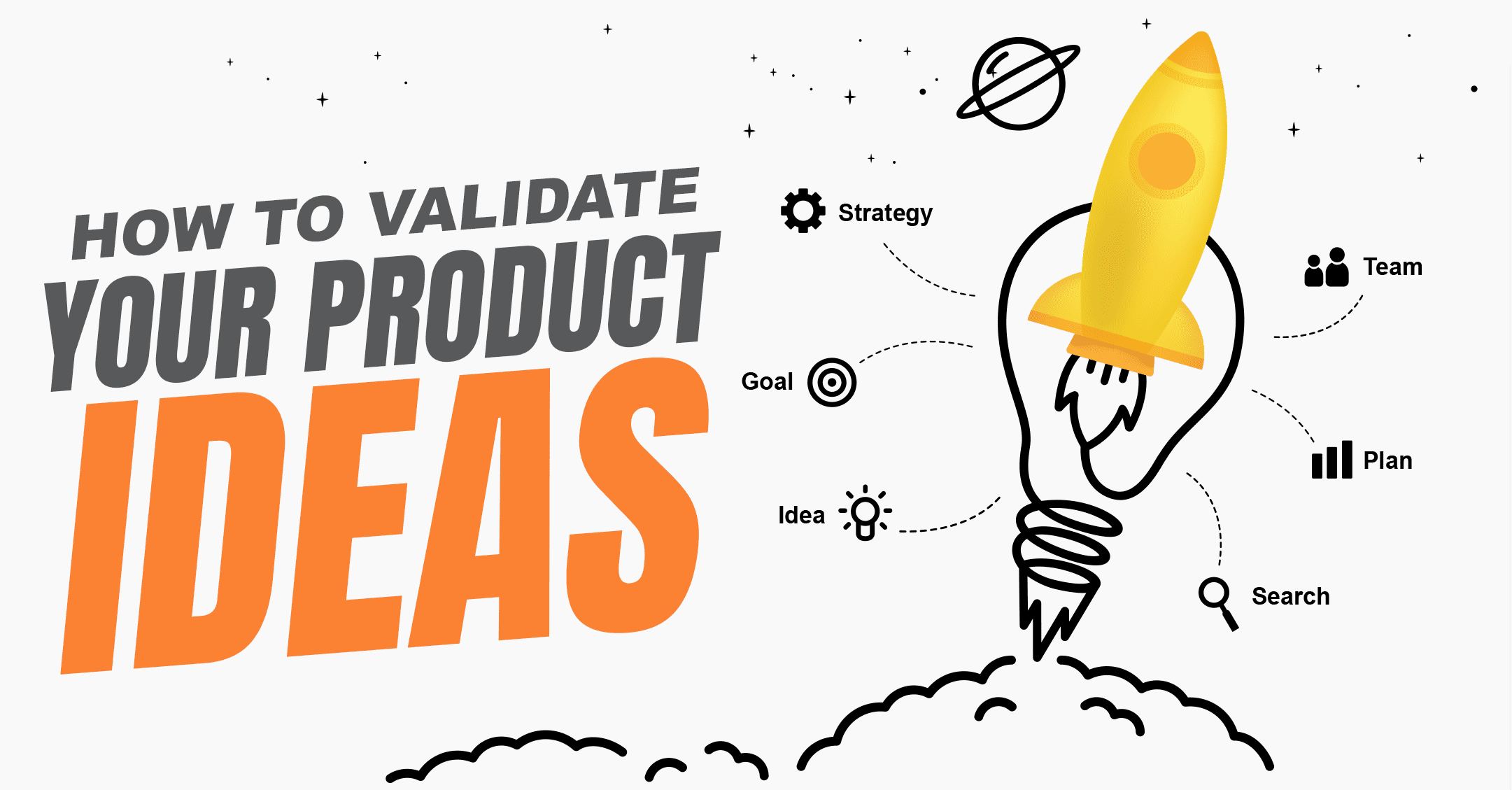
The very first step in learning how to start your own business from scratch is to pressure-test your initial concept. A great idea to you must also be a needed solution or desired product for a specific group of people. This step is about moving from assumption to evidence. Begin by clearly defining the problem your business intends to solve. Who experiences this pain point? How do they currently cope with it? Next, conduct exhaustive market research. This involves analyzing your potential competitors—not just their products, but their pricing, marketing, customer reviews, and weaknesses. This research will reveal gaps in the market that your business can fill. Simultaneously, you must identify and understand your target audience. Create detailed buyer personas: who are they demographically, psychographically, and what are their behavioral patterns? The most crucial part of this step is direct validation. Talk to real people in your target market. Use surveys, interviews, or even create a simple landing page describing your proposed solution to gauge interest and collect email sign-ups. This process of validation is the bedrock upon which every other step is built; it prevents you from investing time and money into a venture that has no market demand. It transforms your idea from a personal passion project into a viable commercial opportunity.

Moleskine classic notebooks
Moleskine classic notebooks are perfect notebooks for writing journals, a daily diary, or note taking in college classes or meetings. Moleskine notebooks are beloved by travelers & bullet journalists for their slim design.
Buy Now on Amazon
Step
2
Craft a Compelling and Comprehensive Business Plan

Once validation gives you confidence, the next phase in how to start your own business from scratch is to build your blueprint: the business plan. This document is not just for securing loans; it is your strategic roadmap. It forces you to think through every aspect of your business systematically. Start with a powerful executive summary that encapsulates your mission, vision, and core objectives. Then, detail your company description, explaining what you do and what sets you apart. Deeply elaborate on the market analysis you conducted in Step 1, showcasing your understanding of the industry, target market, and competitive landscape. Next, outline your organizational structure—will you be a sole proprietor, an LLC, or a corporation? Define your product or service line in detail. Develop your marketing and sales strategy: how will you reach customers and convert them? One of the most critical sections is the financial projections. This includes startup cost estimates, a sales forecast, a profit and loss statement, and a cash flow projection for at least the first three years. This exercise, though demanding, illuminates potential financial pitfalls and operational challenges before you encounter them in the real world. A thorough business plan aligns your team, impresses potential investors, and, most importantly, provides you with a clear path forward, making the process to start your own business from scratch significantly less daunting.
LivePlan Business Plan Software
From custom guidance to real industry benchmarks and connected forecasting, LivePlan has everything you need to build a realistic business plan that wins funding and drives growth.
Buy Now on Amazon
Step
3
Secure Your Financial Foundation and Explore Funding Avenues

A business cannot run on an idea alone; it requires capital. This step in how to start your own business from scratch is dedicated to understanding and securing your financial lifeblood. Begin by calculating your startup costs with precision. Include one-time expenses like equipment, licensing fees, and initial inventory, as well as ongoing operational costs like rent, utilities, payroll, and marketing for at least the first six to twelve months. Once you have a number, explore your funding options. Personal savings is the most common starting point, offering full control but personal risk. Bootstrapping, or funding growth through revenue, is a disciplined approach that forces efficiency. External options include small business loans from banks or the SBA, seeking investment from angel investors or venture capitalists (who will expect equity in return), or crowdfunding platforms like Kickstarter, which also serve as marketing tools. It is imperative to separate your personal and business finances from day one. Open a dedicated business bank account and obtain a business credit card. Meticulous financial management from the outset is non-negotiable for sustainability. Understanding your burn rate—how quickly you spend capital—and maintaining a runway—how long you can operate before needing profitability or more funding—is critical to surviving the early stages of your quest to start your own business from scratch.

QuickBooks Premium Desktop Accounting Software
83% of QuickBooks Desktop Enterprise customers surveyed reported estimated increased profitability of 20% since switching from their prior solution to Desktop Enterprise.
Buy Now on Amazon
Step
4
Choose the Optimal Business Structure and Legal Framework
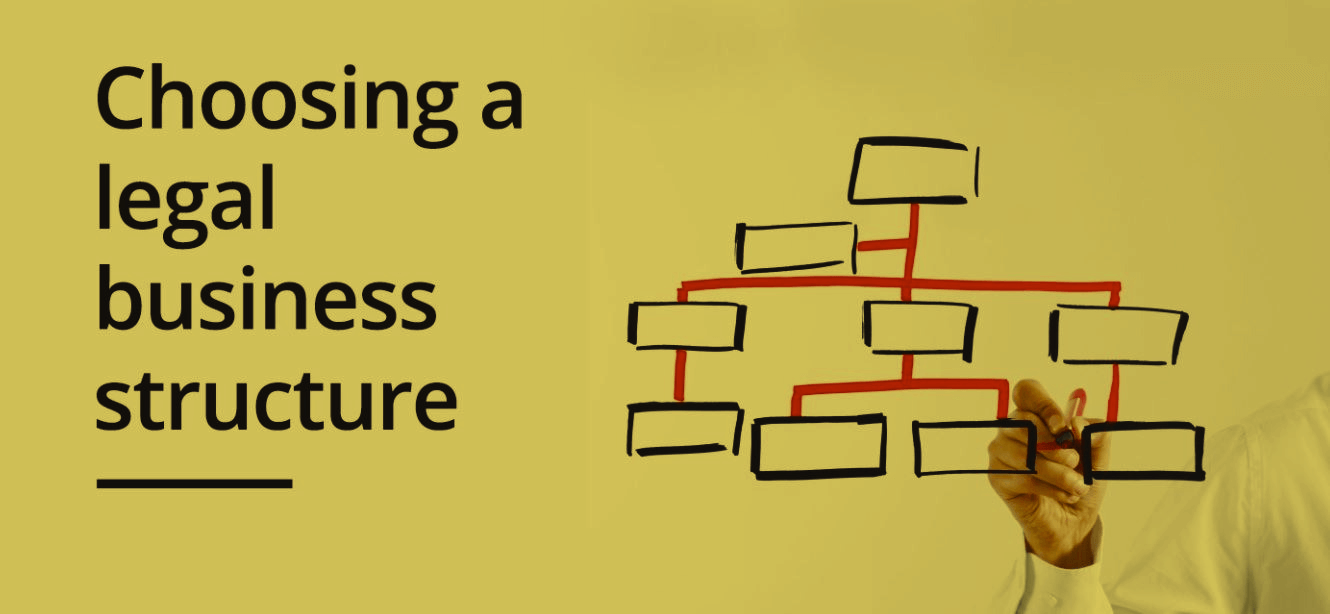
The legal structure you choose for your business is a foundational decision with profound implications for liability, taxation, and operations. As you navigate how to start your own business from scratch, giving this step careful thought is crucial. The main options include Sole Proprietorship, the simplest form where you and the business are legally the same; Partnership, similar but with two or more owners; Limited Liability Company (LLC), which provides personal liability protection separating your assets from the company’s debts; and Corporation (C-Corp or S-Corp), a more complex entity that is a separate legal and tax-paying entity. For most new entrepreneurs, the LLC is a popular choice as it offers liability protection without the double taxation of a C-Corp. Once you decide, you must officially register your business name with your state government, often called “doing business as” (DBA) if needed. Then, file the necessary formation documents, like Articles of Organization for an LLC, with the appropriate state agency. You must also obtain an Employer Identification Number (EIN) from the IRS, which is like a social security number for your business and is required for hiring employees, opening bank accounts, and filing taxes. Do not neglect the necessary local business licenses and permits required to operate legally in your city or county. This step formalizes your venture’s existence in the eyes of the law and the tax authorities.

LegalZoom Business Formation
100%Accurate Filing GuaranteeWe’re committed to the highest quality and accuracy. If your filing is rejected or incorrect due to our error, we’ll correct it with the government agency at no additional cost to you.
Buy Now on Amazon
Step
5
Develop Your Brand Identity and Secure Your Digital Assets

Your brand is far more than a logo; it is the entire experience and perception people have of your company. In the digital age, a key part of learning how to start your own business from scratch is building a cohesive and professional brand identity from day one. Start by choosing a business name that is memorable, relevant, and available. Check for domain name availability immediately. Your website’s address is a critical digital asset. Secure the .com version if at all possible, along with relevant social media handles across platforms. Next, invest in creating a visual identity. This includes a logo, a color palette, and typography that reflect your brand’s personality and values. These elements should be consistent across all touchpoints. Simultaneously, define your brand voice—is it professional, friendly, witty, or authoritative? This voice should be reflected in all your communications, from website copy to social media posts. With these assets in hand, build a professional website. Today, this is non-negotiable; it is your digital storefront and primary credibility tool. Use a platform like WordPress or Squarespace to create a site that clearly explains what you do, who you serve, and how to contact you or make a purchase. Ensure it is mobile-responsive and optimized for search engines (SEO) even at this basic stage. This step solidifies your business’s public face and lays the groundwork for all future marketing efforts.
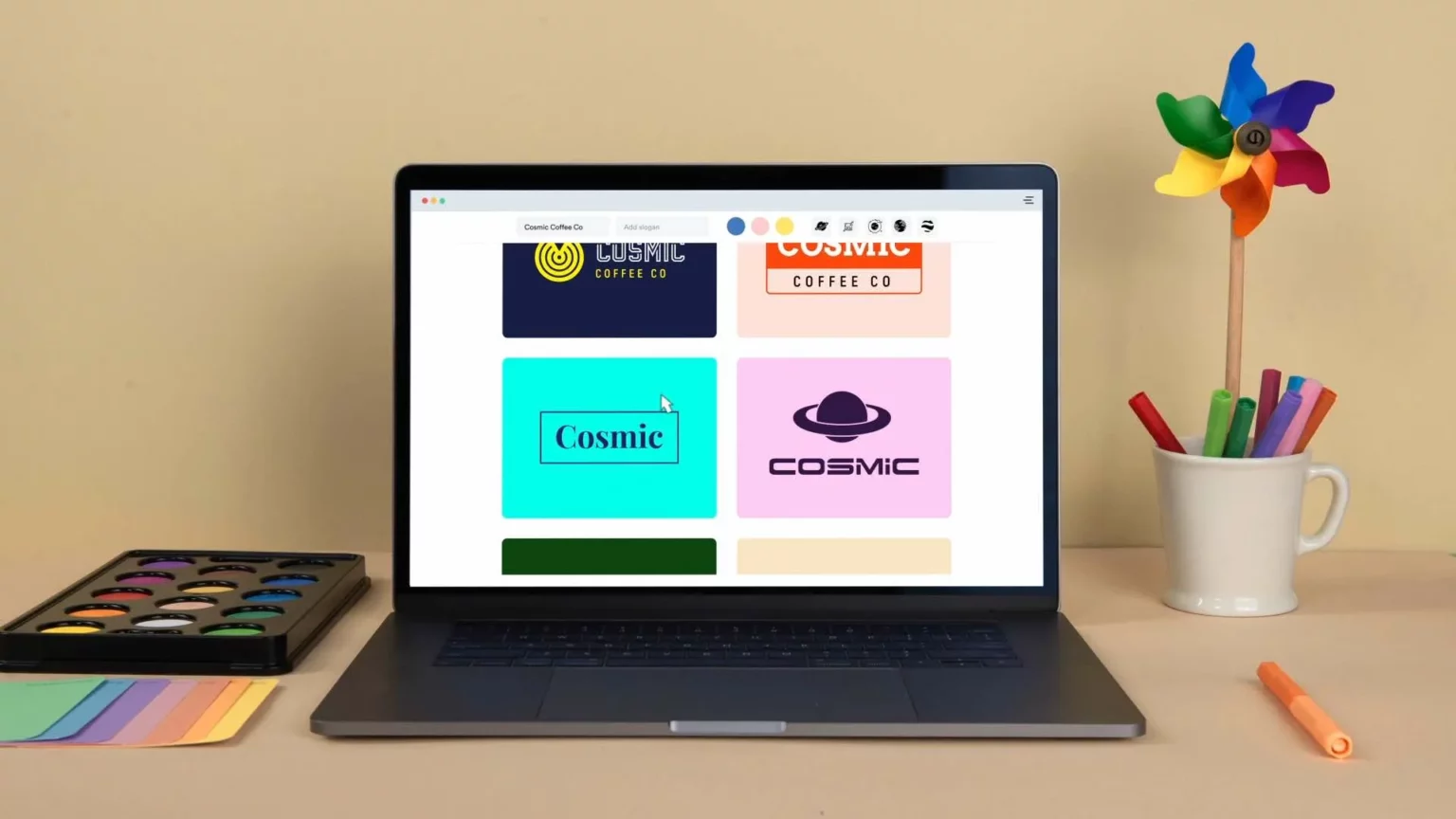
Looka Logo Maker & Brand Identity Platform
Looka Logo Maker combines your logo design preferences with Artificial Intelligence to help you create a custom logo you’ll love. All it takes is a few clicks and five minutes.
Buy Now on Amazon
Step
6
Set Up Your Operational and Administrative Backbone
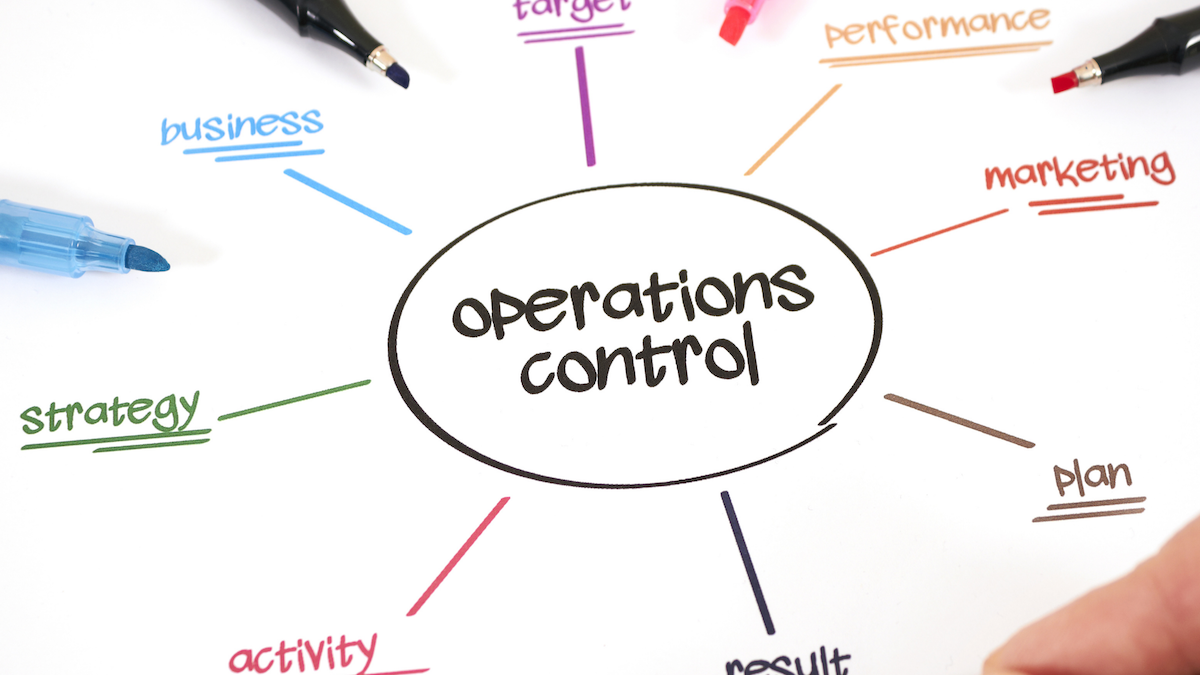
While branding is your public face, operations are the internal engine that makes everything run. A common pitfall for new entrepreneurs is neglecting the administrative systems needed to start your own business from scratch efficiently. This step involves establishing your physical or virtual workspace. Will you work from home, rent an office, or use a co-working space? Then, procure the necessary tools and technology: a reliable computer, business software, a phone system, and any industry-specific equipment. Implement systems for core functions. This includes a Customer Relationship Management (CRM) system to track leads and customer interactions, project management tools to organize tasks, and file storage/sharing solutions like Google Drive or Dropbox. Decide on your communication protocols and set up a professional email address using your domain name (e.g., name@yourbusiness.com). If you plan to sell physical products, establish your inventory management and order fulfillment process. For service businesses, define your service delivery workflow and client onboarding procedure. Setting up these systems before launch prevents chaos, projects professionalism to early clients, and scales effortlessly as you grow. Think of this step as building the plumbing and electrical work for your business house—it’s not glamorous, but everything else depends on it functioning flawlessly.

Microsoft 365 Business Standard
Get apps such as Word, Excel, and PowerPoint across devices, plus video editing, professional email, cloud file storage, online meetings, and AI-powered chat.
Buy Now on Amazon
Step
7
Build a Minimum Viable Product (MVP) or Service Prototype
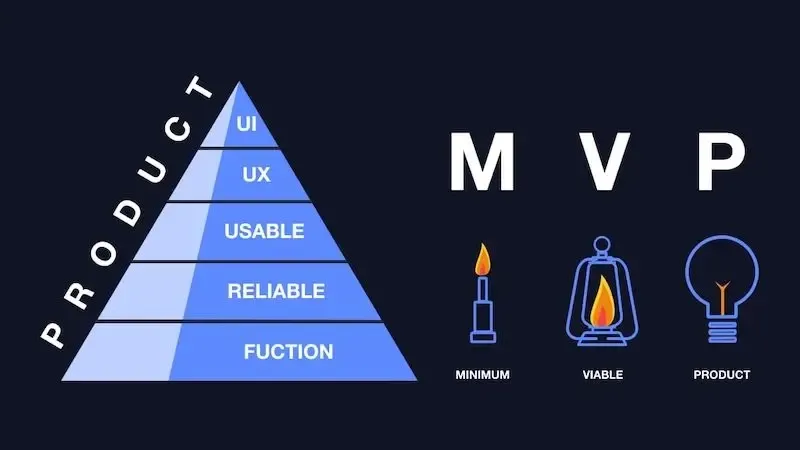
With systems in place, it’s time to create what you’re selling. A fundamental principle in modern entrepreneurship, especially when you start your own business from scratch with limited resources, is the concept of the Minimum Viable Product (MVP). An MVP is the simplest version of your product that has just enough core features to be usable by early customers, who can then provide feedback for future development. The goal is not perfection, but learning. For a physical product, this might be a hand-made prototype or a small-batch production run. For a software product, it’s a basic functional version. For a service business, your MVP is your core service package, delivered to your first few clients. The key is to get your offering to market quickly to test your central value proposition without over-investing in features the market may not want. Use the feedback from these early adopters rigorously. What do they love? What is confusing? What is missing? This feedback loop is invaluable and allows you to iterate and improve your product-market fit before a full-scale launch. This step embodies the “lean startup” methodology, reducing risk and ensuring that when you do scale, you are scaling a product or service that has already been validated by real users.

Dymo Junior Home Embossing Label Maker
Dymo Junior Home Embossing Label Maker | 42 Character Wheel with Large Knob | No Batteries Required
Buy Now on Amazon
Step
8
Formulate and Execute a Pre-Launch Marketing Strategy
A business launched in silence will fail in silence. Therefore, a pivotal step in how to start your own business from scratch is to build anticipation and an audience before you officially open your doors. Your pre-launch marketing strategy should start weeks or even months before launch. Begin by leveraging your personal and professional networks. Create content that demonstrates your expertise and teases your solution. Start a blog on your website, engage on relevant social media platforms, or start an email newsletter. The goal is to build an email list of interested prospects. You can offer a lead magnet—a valuable piece of content like an ebook or a discount code—in exchange for an email address. Use this list to share behind-the-scenes development stories, exclusive previews, and launch announcements. Consider collaborating with micro-influencers in your niche who can introduce your brand to their engaged audience. Garner any early press you can by reaching out to local media or industry bloggers with a compelling story about your journey to start your own business from scratch. This phase is about creating a foundation of potential customers who are ready and waiting to buy from you on day one, ensuring your launch has momentum and immediate sales potential.
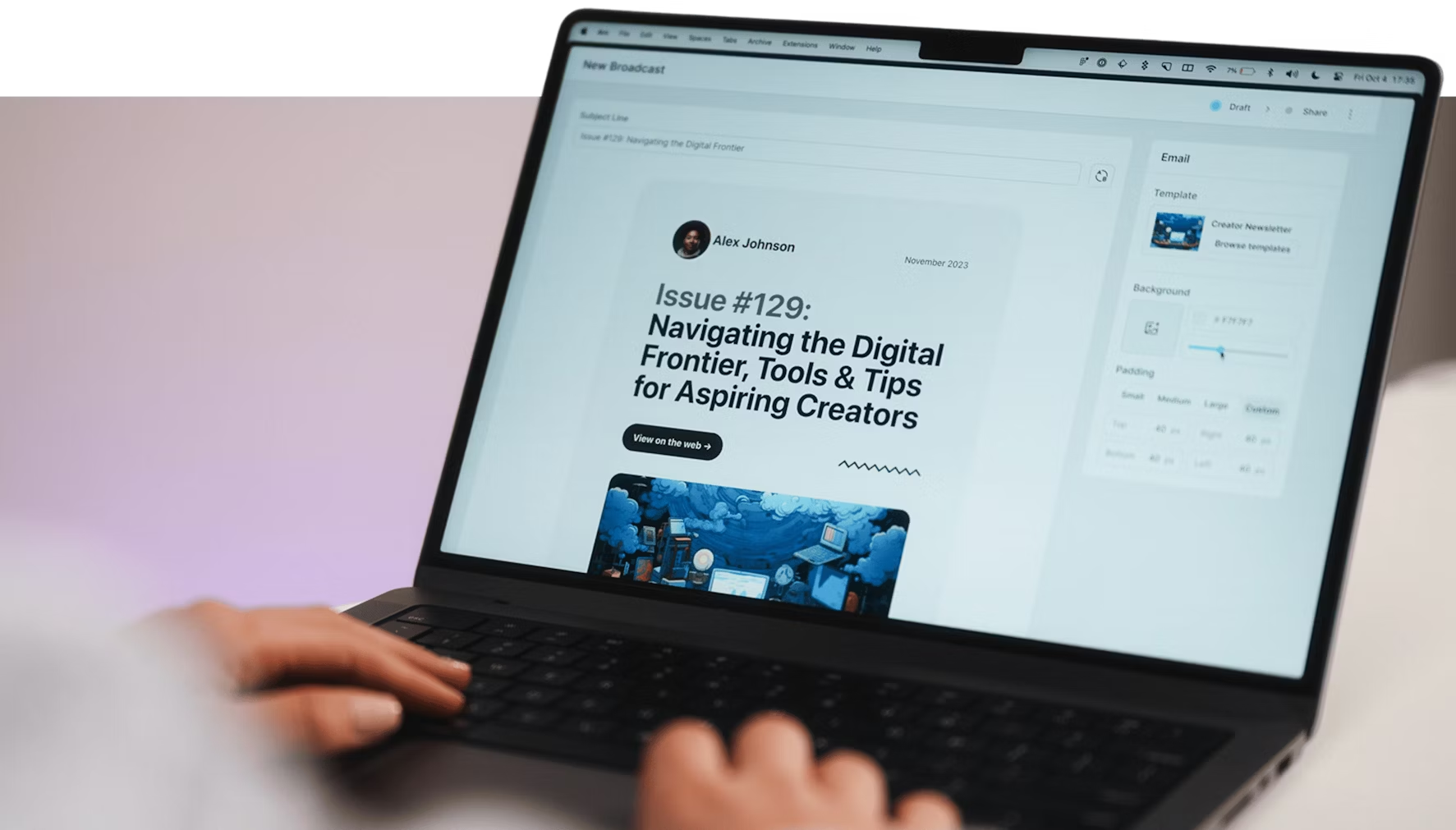
ConvertKit Email Marketing for Creators
Email marketing that automates your growth Stop juggling complex marketing tasks when you could be writing, teaching, and creating. Kit automates your email marketing so you can get back to doing what you love.
Buy Now on Amazon
Step
9
Officially Launch Your Business with a Strategic Rollout

Launch day is the culmination of all your hard work, but it should be a controlled ignition, not an explosion. The process of how to start your own business from scratch reaches its zenith with a strategic, multi-channel launch. Don’t just flip a website switch and hope. Plan a launch campaign. This could involve a launch week with daily promotions, a virtual launch event or webinar, or a coordinated social media blitz. Activate the email list you built in Step 8 with a compelling launch announcement and a special offer for your first customers. Ensure your sales channels—whether your e-commerce website, a third-party marketplace, or a physical location—are fully operational and tested. Have your customer service protocols ready to handle inquiries and issues promptly. Monitor all channels closely on launch day to engage with comments, answer questions, and thank early supporters. Be prepared for things to go differently than planned; flexibility is key. Collect data from your launch sales and customer interactions—what marketing channel drove the most traffic? What product is selling fastest? This data is gold for refining your post-launch strategy. Remember, a launch is not an end, but a beginning; it is the moment your business transitions from a private project to a public entity in the marketplace.

Canon EOS Rebel T7 DSLR Camera
Canon EOS Rebel T7 DSLR Camera with 18-55mm Lens | Built-in Wi-Fi | 24.1 MP CMOS Sensor | DIGIC 4+ Image Processor and Full HD Videos
Buy Now on Amazon
Step
10
Analyze, Iterate, and Plan for Sustainable Growth

The final step in the initial journey of how to start your own business from scratch begins the moment after launch. Now, you shift from builder to operator and optimizer. This step is about analysis, iteration, and strategic planning for growth. Rigorously review your key performance indicators (KPIs) from the launch period. Analyze your website traffic, conversion rates, customer acquisition cost, and sales data. Solicit and, more importantly, listen to customer feedback. What are the complaints or suggestions? Use this information to refine your product, improve your customer service, and tweak your marketing messages. The initial business plan you created is a living document—update it based on real-world learnings. Begin to plan your next phase. Will you introduce a new product line? Expand to a new market? Hire your first employee? Sustainable growth is often about doing one thing exceptionally well before diversifying. Continue to learn, attend industry events, and network with other entrepreneurs. The mindset of testing, learning, and adapting is what separates a static startup from a dynamic, growing business. Embracing this cycle of iteration is the true secret to long-term success after you start your own business from scratch.

SAMSUNG Galaxy Tab S6 Lite
GALAXY TAB S6 LITE, MORE POWERFUL THAN EVER: With an included S Pen, crystal-clear display and Dolby Atmos surround sound, this reliable tablet is all about fun plus a little work
Buy Now on Amazon
Step
A
Practical Tips for the New Entrepreneur

Embarking on the mission to start your own business from scratch is as much about mindset and soft skills as it is about following steps. First, cultivate resilience. You will face setbacks, rejection, and moments of doubt. View these not as failures, but as data points for learning. Develop a thick skin and the perseverance to continue. Second, master time management. As a founder, you are the chief everything officer. Prioritize tasks ruthlessly using frameworks like the Eisenhower Matrix, focusing on important, non-urgent activities like strategy and relationship building. Third, build a support network. Entrepreneurship can be lonely. Surround yourself with mentors, join entrepreneur groups, or find a business coach. This network provides advice, accountability, and emotional support. Fourth, never stop learning. The market, technology, and consumer behavior are in constant flux. Dedicate time each week to read industry news, take online courses, and listen to podcasts from successful entrepreneurs. Fifth, take care of your health. The stress of starting a business can be all-consuming. Prioritize sleep, nutrition, and exercise. Your business depends on your ability to think clearly and make sound decisions, which is undermined by burnout. Finally, celebrate the small wins. The path to start your own business from scratch is a marathon with many sprints. Acknowledging and celebrating milestones, no matter how small, maintains morale and motivation for the long journey ahead.
Step
B
Key Takeaways from the Guide to Start Your Own Business from Scratch

The journey to start your own business from scratch is a complex but navigable process when broken down into sequential, actionable steps. The paramount takeaway is that validation precedes everything; never invest heavily in an idea without concrete evidence of market demand. Your business plan is your strategic compass, not a dusty document, and should be revisited regularly. Choosing the right legal structure protects you personally and defines your financial future. In the digital age, a professional brand and online presence are not optional but fundamental prerequisites for credibility. Operational systems, though unseen by customers, are the critical infrastructure that allows for smooth functioning and scaling. Embracing the Minimum Viable Product philosophy allows you to learn from the market with minimal risk, adapting your offering based on real feedback. A business launch should be a crescendo of coordinated marketing efforts, not a silent entry. Finally, the launch is merely the beginning of an endless cycle of analysis, learning, and iteration, which is the true engine of sustainable growth. Remember, the process to start your own business from scratch is a test of resilience, adaptability, and execution more than it is a test of a single brilliant idea.
Step
C
Conclusion
Learning how to start your own business from scratch is one of the most challenging and rewarding endeavors you can undertake. It is a journey that will test your limits, expand your capabilities, and ultimately, if navigated wisely, lead to profound personal and professional fulfillment. This guide has provided a detailed, ten-step roadmap designed to take you from the nebulous stage of an idea to the concrete reality of a launched and growing enterprise. Each step builds upon the last, creating a foundation of market knowledge, strategic planning, legal protection, operational readiness, and customer awareness. The path is rarely linear, and unexpected obstacles are guaranteed. However, armed with this structured approach, you are equipped to face those challenges not with confusion, but with a problem-solving framework. The world of entrepreneurship needs your unique ideas, your solutions, and your passion. Do not let the complexity of the process deter you. Begin with Step One today. Validate that idea that has been lingering in your mind. Take that first, decisive action. The adventure to build something meaningful, to serve customers, to create jobs, and to shape your own destiny begins with a single, committed step forward. We at Clickerrr wish you immense courage, clarity, and success on your entrepreneurial journey to start your own business from scratch.
Frequently Asked Questions: How to Start Your Own Business from Scratch
What is the very first thing I should do when I want to start my own business from scratch?
The absolute first action you must take is to validate your business idea through market research. Before investing any significant time or money, you need to determine if a viable market exists for your product or service. This involves speaking directly to potential customers, analyzing competitors, and confirming that people are willing to pay for your solution. Many aspiring entrepreneurs skip this crucial step and build something nobody wants. Validation is the foundational step that informs every decision that follows in your journey to start your own business from scratch.
How much money do I realistically need to start my own business from scratch?
The amount varies dramatically based on the type of business. A service-based consulting firm may only need a few thousand dollars for a website and legal fees, while a product-based e-commerce store might require tens of thousands for inventory and manufacturing. The key is to create a detailed financial plan that lists all one-time startup costs (equipment, licenses, initial inventory) and ongoing monthly operational expenses (software, marketing, rent) for at least 6-12 months. This gives you your required runway. A fundamental principle is to start as lean as possible, often using personal savings or bootstrapping initial revenue, to maintain control and prove your concept before seeking significant external funding.
What is the best legal structure (LLC, Sole Proprietorship, etc.) for a new business?
For most individuals learning how to start your own business from scratch, the Limited Liability Company (LLC) is often the most recommended starting point. It provides a crucial separation between your personal assets (your home, car, personal savings) and your business’s debts and liabilities. A sole proprietorship is simpler and cheaper to set up but offers no such protection, putting everything you own personally at risk. While more complex, an LLC strikes a balance between legal protection, operational flexibility, and favorable tax treatment for new entrepreneurs. You should always consult with a business attorney or accountant to choose the structure that fits your specific risk profile and growth plans.
Do I need a business plan to start my own business from scratch, and what should it include?
Yes, a business plan is essential, even if you are not seeking a loan. It is your strategic roadmap and forces you to think through critical aspects you might otherwise overlook. A comprehensive plan should include: an Executive Summary, a Company Description, thorough Market Analysis (competitors, target audience), a detailed outline of your Organization & Management structure, a clear description of your Service or Product Line, your Marketing & Sales Strategy, a Funding Request (if applicable), and most importantly, realistic Financial Projections, including startup costs, profit and loss forecasts, and cash flow statements for 3-5 years.
How important is a website and social media when just starting out?
In today’s digital economy, they are non-negotiable and form the core of your brand’s credibility. A professional website is your 24/7 storefront, information hub, and sales platform. It is often the first place potential customers will go to learn about you. Social media is your primary channel for engagement, brand building, and direct communication with your audience. Before you officially launch, you should secure your domain name, relevant social media handles, and have at least a basic, well-designed website that clearly states who you are, what you do, and how to contact you. This digital foundation is a critical step in how to start your own business from scratch successfully.
What is a Minimum Viable Product (MVP), and why is it so important?
A Minimum Viable Product (MVP) is the simplest version of your product or service that has just enough core features to satisfy early customers and provide you with validated learning for future development. Its importance cannot be overstated when you start your own business from scratch with limited resources. The goal is not to launch a perfect, feature-complete product, but to get a functional version to market quickly to test your core value proposition. Feedback from early adopters helps you iterate and improve without wasting time and money on features the market doesn’t want. It is the cornerstone of the lean startup methodology.
How can I market my new business effectively on a very small budget?
Effective low-budget marketing starts with owning your niche and leveraging organic channels. Content marketing, such as starting a blog or creating helpful videos that address your audience’s problems, establishes you as an authority. Engaging authentically on the one or two social media platforms where your target customers spend their time is far more effective than being absent everywhere. Building an email list from day one is one of the most powerful assets you can own. Networking, both online and locally, and seeking collaborations or partnerships with complementary businesses can also drive awareness at minimal cost. The key is consistency and providing genuine value before asking for a sale.
What are the most common mistakes to avoid when starting a business from scratch?
Several critical pitfalls can derail new entrepreneurs. First, failing to validate the market need for their idea. Second, running out of cash due to poor financial planning and not understanding their burn rate. Third, trying to do everything alone instead of delegating or seeking expert help where needed (e.g., legal, accounting). Fourth, overcomplicating the initial product instead of launching an MVP. Fifth, neglecting to establish a clear brand identity and online presence from the beginning. Finally, ignoring the importance of systems and processes, leading to operational chaos as soon as the first few sales come in.
How do I handle the taxes for my new business?
Tax obligations begin the moment you start your own business from scratch. Your first action should be to obtain an Employer Identification Number (EIN) from the IRS. You must keep meticulous, separate records of all business income and expenses. Depending on your legal structure (LLC, Sole Proprietorship), your business profits will typically be reported on your personal tax return, but you will also need to file a Schedule C. It is crucial to understand your requirement to pay estimated quarterly taxes, as taxes are not automatically withheld from business income. Hiring a qualified accountant or tax professional who specializes in small businesses is one of the best investments you can make to ensure compliance and optimize your tax strategy.
When should I consider hiring my first employee?
You should consider hiring your first employee when the administrative or operational tasks required to run and grow the business are preventing you from focusing on the core revenue-generating activities that only you can do. Key indicators include: consistently turning away work due to lack of capacity, spending excessive time on tasks that could be delegated (like bookkeeping or customer service), and when the predictable revenue can sustainably cover the employee’s salary and associated costs (taxes, benefits). Start by considering a part-time employee, freelancer, or virtual assistant to handle specific functions before committing to a full-time role, allowing you to scale your team responsibly as you grow.
2 thoughts on “How to Start Your Own Business from Scratch: 10-Steps Guide”