

Step
0
Introduction
How to Improve Communication Skills? Think about the last time you walked away from a conversation feeling truly understood, connected, and energized. Now, recall a moment where a discussion spiraled into misunderstanding, leaving you frustrated or deflated. The chasm between these two experiences is built entirely on communication skills. More than just the words we speak, communication skills are the lifeblood of human connection, the engine of professional success, and the foundation of personal happiness. In a world saturated with digital pings and surface-level interactions, the art of clear, empathetic, and effective communication has become our most critical—and often most neglected—asset.
Whether you’re pitching an idea in a boardroom, navigating a delicate conversation with a loved one, or simply trying to make a new friend, your ability to express yourself and understand others determines your trajectory. The good news? Communication skills are not a mystical talent bestowed on a lucky few; they are a set of learnable, improvable competencies. Like mastering a musical instrument or a sport, improving your communication skills requires understanding the fundamentals, deliberate practice, and a willingness to step outside your comfort zone. This comprehensive guide is your roadmap. We will deconstruct the complex art of communication into ten actionable, foundational steps. You’ll move from self-awareness to powerful expression, learning not just to talk, but to connect, influence, and build bridges with every interaction. Let’s begin the journey to transform how you show up in the world, one conversation at a time.
The 10-Step Guide to Masterful Communication Skills
Step
1
Cultivate Self-Awareness – Know Your Communication Style

✅
Step Introduction
The journey to exceptional communication skills begins not with others, but with a deep, honest look inward. You are your own primary instrument of communication. Without understanding your default settings—your tendencies, your triggers, your strengths, and your blind spots—you cannot hope to fine-tune your performance. Self-awareness is the bedrock upon which all other communication skills are built. It’s about recognizing how your inner world—your emotions, biases, and intentions—shapes the messages you send and how you interpret the messages you receive. Are you a direct communicator who values efficiency, or a diplomatic one who prioritizes harmony? Do you clam up under pressure, or do you become overly verbose? Until you answer these questions, your communication will be reactive rather than intentional.
✅
Audit Your Current Communication Habits
For one week, become an anthropologist of your own interactions. After key conversations—whether with a colleague, your partner, or a customer service rep—take two minutes to reflect. Jot down notes. What was your goal? What did you actually say? How did you feel (frustrated, confident, anxious)? What was the other person’s reaction? Look for patterns. Do you interrupt often? Do you default to sarcasm when stressed? Do you avoid eye contact in conflicts? This audit isn’t about judgment; it’s about gathering data. You cannot change what you do not see. This simple practice of observation is the first, most powerful step in taking ownership of your communication skills.
✅
Identify Your Emotional Triggers and Biases
We all have hot-button topics and subconscious filters that distort communication. A trigger might be feeling micromanaged, which causes you to shut down. A bias might be assuming younger colleagues are less experienced, leading you to dismiss their ideas prematurely. To improve communication skills, you must map these landmines. When does your heart rate spike in a discussion? What topics make you defensive? What assumptions do you make about people based on their role, accent, or appearance? Naming these triggers and biases robs them of their unconscious power. It allows you to pause before reacting and choose a more skillful response.
✅
Define Your Communication Intentions
Before you enter any meaningful interaction, ask yourself a crucial question: “What is my deeper intention here?” Is it to collaborate on a solution, to truly understand a different perspective, to provide comfort, or to clearly state a boundary? Too often, we communicate with a surface-level goal (“to win this argument,” “to get this task off my list”) that sabotages our deeper human need for connection or respect. By setting a conscious intention—such as “My intention is to understand her concerns fully”—you anchor your communication skills. It becomes your North Star, guiding your choice of words, tone, and listening focus, ensuring your communication is purposeful and aligned with your values.

The Self-Awareness Journal: A Year of Guided Prompts
A Year of Self-Reflection Journal: 365 Days of Guided Prompts to Slow Down, Tune In, and Grow
Buy Now on Amazon
Step
2
Master the Art of Active Listening
✅
Step Introduction
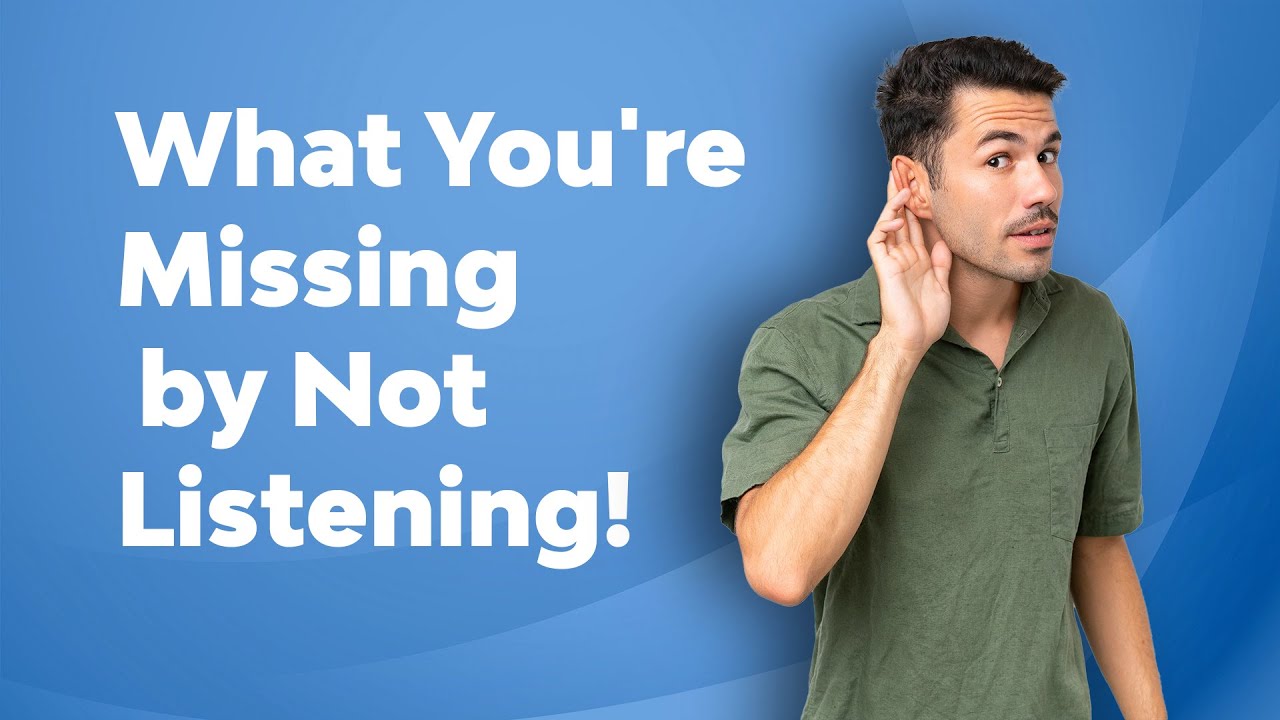
If there is one skill that has the power to revolutionize your relationships overnight, it is active listening. Poor communication skills are rarely about speaking poorly; they are almost always about listening poorly. We listen to reply, not to understand. Our minds are busy formulating our next point, judging what’s being said, or drifting to our to-do list. Active listening is the disciplined practice of giving someone your complete, undivided attention with the sole goal of comprehending their message from their frame of reference. It is the most profound gift you can give another person and the fastest way to improve communication skills. It transforms conversations from parallel monologues into a genuine meeting of minds.
✅ Practice the “Listen, Pause, Paraphrase” Loop
Break the habit of jumping in. When someone is speaking, your only jobs are to absorb and process. When they finish, deliberately pause for 2-3 seconds. This silence shows you are considering their words and prevents knee-jerk responses. Then, before you share your own thought, paraphrase what you heard. Use phrases like, “So, if I’m understanding correctly, you’re feeling concerned about the timeline because…” or “Let me make sure I got that. The main issue is X, and you’d like to see Y.” This loop ensures accuracy, makes the speaker feel profoundly heard, and dramatically reduces misunderstanding. It is the core mechanic of effective communication skills.
✅ Listen for Content, Emotion, and Intent
A message has multiple layers. To be an active listener, you must tune into all of them. The content is the factual information (“The report is late”). The emotion is the feeling behind it (frustration, anxiety, excitement). The intent is what they hope to achieve by telling you (to get help, to warn you, to share joy). Pay attention to body language, tone of voice, and word choice. You might respond, “I hear that the report is delayed [content], and you sound pretty stressed about that [emotion]. Are you looking for us to brainstorm some solutions together [intent]?” This level of listening elevates your communication skills from transactional to relational.
✅ Minimize Internal and External Distractions
Active listening requires full bandwidth. Externally, put your phone away—face down and out of reach. Close your laptop. Move to a quieter space if possible. Internally, this is harder. When your mind wanders or starts drafting a rebuttal, gently but firmly bring your focus back to the speaker’s words. Mentally note their key points. Observe their non-verbal cues. The discipline of taming your internal monologue is the true workout for your communication skills. It signals deep respect and creates a space where real connection can occur.

Bose QuietComfort Headphones
Bose QuietComfort Headphones – Wireless Bluetooth Headphones, Active Over Ear Noise Cancelling and Mic, USB-C Charging, Deep Bass, Up to 24 Hours of Playtime, Sandstone
Buy Now on Amazon
Step
3
Harness the Power of Non-Verbal Communication

✅
Step Introduction
Before you utter a single word, you are already communicating. Your posture, your eye contact, your gestures, and even your proximity are screaming messages that often speak louder than your sentences. In fact, studies suggest over half of all communication is non-verbal. To improve communication skills, you must learn to align your body language with your verbal message, creating a congruent and trustworthy presence. Mastering non-verbal cues also equips you to “listen with your eyes,” picking up on the unspoken feelings and reactions of others. This step is about becoming the conductor of your own silent orchestra.
✅ Maintain Conscious Eye Contact and Open Posture
Eye contact is a powerful connector. It builds trust and shows engagement. Aim for a steady, soft focus—looking away occasionally to avoid staring, but generally keeping your gaze on the speaker’s face. Pair this with an open posture: uncross your arms and legs, keep your torso facing the person, and lean in slightly. This non-verbal package screams, “I am open, present, and receptive.” Conversely, crossed arms, averted eyes, and a turned-away body signal disinterest, defensiveness, or dishonesty. Consciously practicing an open stance is a simple way to instantly improve communication skills.
✅ Use Gestures and Facial Expressions to Emphasize and Clarify
Think of your hands and face as visual aids. Natural, purposeful gestures can help illustrate a point, show enthusiasm, or indicate size and scale. Your facial expressions should match the emotional content of your words—showing concern when discussing a problem, or smiling when sharing good news. This congruence makes you appear authentic and helps the listener absorb your meaning. Beware of mismatches—like saying “I’m so excited” with a flat expression and monotone voice—which create confusion and distrust in your communication skills.
✅ Be Mindful of Proxemics and Paralinguistics
Two subtle but critical aspects of non-verbal communication are proxemics (use of space) and paralinguistics (tone, pitch, pace, and volume of your voice). Respect personal space; invading it can feel aggressive, while standing too far away can seem detached. With your voice, variety is key. A monotone is a sleep aid; varying your pitch and pace keeps listeners engaged. Speaking too fast can seem nervous, while too slow can seem unsure. Volume should be appropriate to the setting—confident but not domineering. Recording yourself speaking (e.g., on a video call rehearsal) is an invaluable way to audit and refine these elements.

NexiGo N60 1080P Webcam with Microphone
NexiGo N60 1080P Webcam with Microphone, Software Control & Privacy Cover, USB HD Computer Web Camera, Plug and Play, for Zoom/Skype/Teams, Conferencing and Video Calling
Buy Now on Amazon
Step
4
Develop Crystal-Clear Clarity and Conciseness
✅
Step Introduction
The hallmark of advanced communication skills is the ability to make the complex simple. Whether you’re explaining a technical process, giving feedback, or sharing an idea, your goal is to transfer your thought from your brain to the listener’s brain with minimal distortion and effort on their part. Ambiguity is the enemy of effective communication. Clarity and conciseness show respect for the other person’s time and cognitive load. They prevent the “wait, what did you mean?” follow-up emails and the frustrating cycles of rework that plague teams and relationships. This step is about becoming a precise and efficient communicator.
✅ Structure Your Thoughts with the “What, So What, Now What” Framework
Before you speak in an important situation, mentally structure your message. What: What is the key information or context? (State the facts clearly). So What: Why does this matter? What is the impact or relevance? (Provide the meaning). Now What: What is the desired next step, action, or decision? (Make the ask clear). This simple three-part structure prevents rambling, ensures you cover all necessary bases, and makes it incredibly easy for your listener to follow and act. It is a universally applicable tool to improve communication skills in presentations, emails, and crucial conversations.
✅ Eliminate Jargon, Vague Language, and Verbal Fillers
Jargon excludes and confuses anyone not in your inner circle. Replace industry acronyms and technical terms with plain English. Similarly, ban vague words like “stuff,” “things,” “soon,” and “maybe.” Be specific: “I need the Q3 financial analysis by 5 PM Thursday.” Crucially, work to minimize verbal fillers: “um,” “uh,” “like,” “you know.” These fillers undermine your authority and clarity. The trick to reducing them is not to strive for perfect silence, but to embrace a slow, deliberate pace. Give your brain time to find the right word. Pauses are powerful; “ums” are not.
✅ Get to the Point First (The Bottom-Line Up Front – BLUF)
Especially in professional settings, adopt the BLUF method. Start with your conclusion or main request. “I recommend we approve the new marketing budget. The reason is our main competitor just launched a similar campaign, and we risk losing market share. I’ll now walk through the data supporting this.” This reverses the traditional narrative build-up and immediately aligns your listener. They now have a framework to understand the supporting details you’re about to provide. This principle is a game-changer for communication skills in leadership and time-pressed environments.

Rocketbook Core Reusable Smart Notebook
Rocketbook Core Reusable Smart Notebook, Dot Grid Pages For School, Work and Creative Projects, Executive Size 6×8.8, Black – Premium
Buy Now on Amazon
Step
5
Build Emotional Intelligence and Empathy
✅
Step Introduction
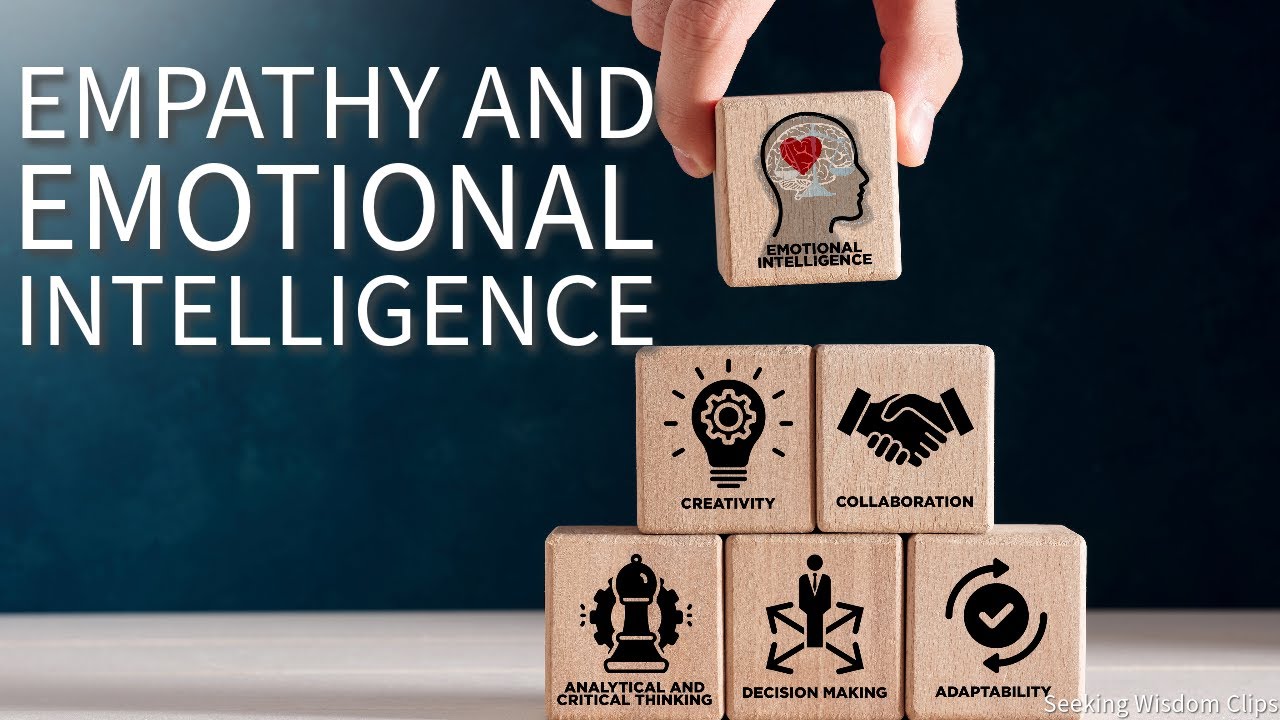
At its heart, communication is an exchange of human experiences, not just data. The most technically clear message will fail if it tramples on the other person’s feelings or shows no understanding of their perspective. This is where Emotional Intelligence (EQ)—the ability to recognize, understand, and manage your own emotions and those of others—becomes your most valuable asset. Empathy, a core component of EQ, is the ability to step into another’s shoes and see the world from their vantage point. Cultivating EQ is what transforms competent communication skills into compassionate and influential ones.
✅ Practice Naming and Validating Emotions
When someone shares a frustration or a joy, your first job is to acknowledge the emotion, not just the content. This is called validation. Use phrases like, “That sounds incredibly frustrating,” “I can see why you’d be excited about that,” or “It makes complete sense that you’d feel overwhelmed.” Validation does not mean you agree with their position; it means you acknowledge the reality of their emotional experience. This single act disarms defensiveness and builds immense rapport. It is a master key in the toolkit of communication skills.
✅ Adopt the “Platinum Rule”
We all know the Golden Rule: treat others as you want to be treated. The Platinum Rule is more advanced: treat others as they want to be treated. This requires empathy. Pay attention to how people prefer to communicate. Do they like detailed data upfront, or a big-picture story? Do they need time to process quietly, or do they think by talking? Adapting your style to meet their needs—speaking their “communication language”—is the pinnacle of skilled communication. It shows profound respect and drastically increases your effectiveness.
✅ Separate Observation from Evaluation and Person from Behavior
High-conflict communication often stems from blurring these lines. Instead of saying, “You’re so lazy! You never submit your reports on time!” (evaluation + personal attack), use an observation and focus on behavior: “I’ve noticed the last three weekly reports have been submitted after the Tuesday 5 PM deadline [observation]. This creates a bottleneck for the team [impact]. What’s getting in the way of the Tuesday deadline [inquiry about behavior]?” This framework, inspired by nonviolent communication, allows you to address issues without triggering a defensive shutdown, preserving the relationship while solving the problem.

Emotional Intelligence 2.0
This book is about increasing your emotional intelligence (EQ) to improve your life. It provides a step-by-step program for increasing your EQ via four core skills: self-awareness, self-management, social awareness, and relationship management.
Buy Now on Amazon
Step
6
Craft and Deliver Effective Feedback

✅
Step Introduction
The ability to give and receive feedback gracefully is the cornerstone of growth, both personally and professionally. Yet, it’s one of the most anxiety-inducing aspects of communication skills. Poorly delivered feedback feels like a personal attack and triggers defensiveness. Skillfully delivered feedback is seen as a gift—a clear map for improvement. This step focuses on a structured, humane framework for delivering constructive feedback that is heard, understood, and can be acted upon, while also building your resilience in receiving feedback yourself.
✅ Use the SBI (Situation-Behavior-Impact) Model for Delivery
This is a clean, non-accusatory framework. Situation: Describe the specific, observable context. “During yesterday’s client presentation at 10 AM…” Behavior: Describe the observable action, not a judgment of character. “…when you presented the financial slides, I noticed you read directly from them without looking up at the audience…” Impact: Describe the effect the behavior had on you, the team, or the project. “…the impact was that the client seemed disengaged, and I worry we may not have landed our key message convincingly.” This model keeps the focus on the action and its consequence, not the person’s worth.
✅ Balance Constructive Feedback with Authentic Appreciation
Feedback should not be a ledger of faults. For feedback to be palatable and for people to feel seen as whole individuals, you must regularly offer specific, genuine praise. Use the same SBI model for positive feedback: “In the team meeting today [Situation], the way you summarized everyone’s divergent points into a clear consensus [Behavior] was brilliant. The impact was we saved 20 minutes and left feeling completely aligned [Impact].” A culture of balanced feedback—the 5:1 ratio of appreciation to correction is a good goal—makes constructive criticism much easier to swallow and is a mark of sophisticated leadership communication skills.
✅ Master the Art of Receiving Feedback Gracefully
When you are on the receiving end, your goal is to listen, understand, and learn—not to defend or justify. Train yourself to respond with, “Thank you for that feedback.” Ask clarifying questions: “Can you give me another example of when I did that?” or “What would you have preferred to see instead?” This stance of curiosity transforms feedback from a threat into data. Even if you disagree with the delivery or content, you can always mine it for a kernel of truth about how your actions are perceived. This resilience completes the circle of effective communication skills.

The 5-Second Conversation: How to Connect Instantly and Build Trust Fast
In *The 5-Second Conversation: How to Connect Instantly and Build Trust Fast*, renowned communication strategist Sam Gardner reveals the groundbreaking system he used to transform himself from a fumbling entrepreneur into one of New York City’s most sought-after advisors. This isn’t another book of cheesy pick-up lines or manipulative tricks. It’s a science-backed, practical guide to mastering the single most critical moment in any relationship: the first impression.
Buy Now on Amazon
Step
7
Navigate Difficult Conversations with Confidence

✅
Step Introduction
Avoiding difficult conversations is like ignoring a leak in your roof—the problem only gets worse, causing more damage over time. Whether it’s addressing a performance issue, discussing a sensitive topic with a partner, or saying “no” to an unreasonable request, these high-stakes talks test your communication skills under pressure. The key is not to avoid them, but to navigate them with a prepared mind and a compassionate heart. The goal shifts from “winning” to “understanding and problem-solving,” preserving the relationship while addressing the issue.
✅ Prepare with Purpose, Not Scripts
Entering a difficult conversation flustered and reactive is a recipe for disaster. Prepare by getting clear on three things: 1) Your Purpose: What is the ideal outcome? (e.g., “To rebuild trust and agree on a plan for shared chores.”). 2) Your Contribution: How might you have contributed to the problem? (This builds humility). 3) Their Perspective: What might they be feeling and wanting? (This builds empathy). Write down a few key points, but don’t script the conversation. Over-scripting makes you sound robotic and unable to listen in the moment.
✅ Manage Your Physiology and Use “I” Statements
High-stakes conversations trigger our fight-or-flight response. Before you start, take deep breaths to calm your nervous system. During the talk, consciously slow your speech and lower your pitch. Most importantly, use “I” statements to own your feelings and perceptions. “I felt concerned when I saw the project was off track” is far better than “You messed up the project.” “I” statements reduce defensiveness because they are about your experience, not an accusation of their character. They are an indispensable tool for keeping difficult dialogues productive.
✅ Focus on Interests, Not Positions
A classic concept from negotiation theory is vital here. A position is a demanded solution (“You must work late every day this week”). The interest is the underlying need (“I need to ensure we meet the Friday deadline”). In conflict, people dig into positions. Your role is to listen for and articulate the underlying interests—both yours and theirs. Then, you can brainstorm solutions that satisfy both sets of interests, which may look different from the original rigid positions. Asking “What’s most important to you about this?” or “What need are you trying to meet?” unlocks creative problem-solving.
People Focus: The Art and Science of Meaningful Connections
Unlock Deeper Connections: Master the Art & Science of “People Focus” Tired of superficial interactions? Yearning for more meaningful relationships?
Buy Now on Amazon
Step
8
Adapt Your Communication to Different Audiences and Contexts

✅
Step Introduction
A one-size-fits-all approach to communication is like using a hammer for every home repair—it’s clumsy and often destructive. Masterful communication skills require the agility of a chameleon, not in authenticity, but in style. You must learn to read the room—whether it’s a boardroom, a dinner party, a one-on-one with your teenager, or a social media platform—and adapt your message, tone, and channel accordingly. This is the difference between being heard and being effective, between sharing information and making a connection.
✅ Analyze Your Audience’s Needs, Knowledge, and Expectations
Before you communicate, ask: Who are they? What do they already know about this topic? What do they need to know? What is their likely attitude (supportive, skeptical, hostile)? What is their preferred style (detailed vs. big-picture, formal vs. casual)? Tailoring your message to this analysis is not “dumbing down”; it’s meeting people where they are. Explaining a technical glitch to an engineer requires different language than explaining it to an end-user. This audience-awareness is a non-negotiable for advanced communication skills.
✅ Choose the Appropriate Channel and Medium
Not every message should be an email. Not every sensitive topic should be a text. The medium is part of the message. Use this hierarchy of richness: For complex, emotional, or high-stakes conversations, choose face-to-face or video call. For collaborative discussions, choose a meeting (virtual or in-person). For clear, documented information sharing, use email. For quick, logistical updates, use instant messaging. Mis-matching channel to message (e.g., breaking up via text, giving critical feedback over email) is a major communication skills failure. Be intentional.
✅ Adjust Formality, Pace, and Detail Level
Speaking to a senior executive often requires a more formal tone, a faster pace (respecting their time), and a bottom-line-up-front approach. Speaking to a new intern may require more warmth, a slower pace with pauses for questions, and more foundational detail. In a casual team brainstorming session, you can be loose and exploratory. In a client presentation, you must be polished and precise. The ability to fluidly shift these gears while remaining authentically you is the mark of a truly adaptable communicator.
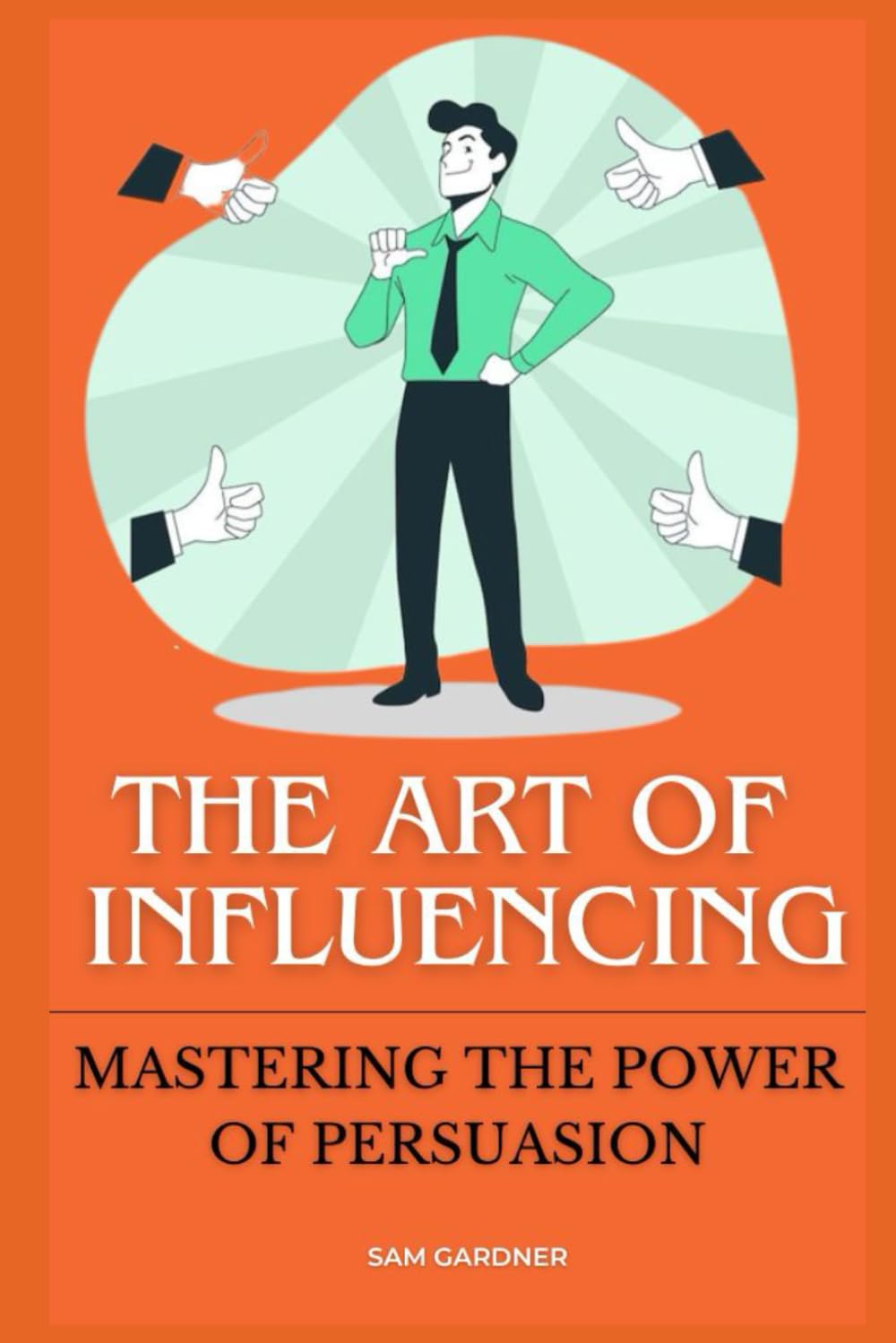
THE ART OF INFLUENCING: Mastering The Power Of Persuasion
This book offers a unique perspective on the art of influencing. From building authentic connections to developing powerful communication skills, Sam explores the multifaceted aspects of influence and shares practical strategies that you can immediately apply in your everyday life.
Buy Now on Amazon
Step
9
Utilize Storytelling and Persuasion Techniques
✅
Step Introduction
Facts tell, but stories sell. Data informs, but narratives inspire and persuade. To move people—to change minds, to motivate action, to make your ideas memorable—you must transcend mere information delivery. Integrating basic storytelling and principled persuasion techniques into your communication skills arsenal allows you to connect on a human level, making your messages stickier and more compelling. This is not about manipulation; it’s about structuring your communication in a way that resonates with how human brains are wired to learn and decide.
✅ Structure Messages with a Simple Narrative Arc
Even in a business update, you can use a mini-story. Start with the Challenge or Status Quo (where we were/are). Introduce the Conflict or Opportunity (the problem we faced or the new idea). Build to the Resolution or Journey (what we did, what we learned). End with the New Reality or Call to Action (where we are now/what we need to do). This structure (similar to “What, So What, Now What” but more emotive) creates natural tension and release, which keeps attention and aids memory. It turns a dry project post-mortem into a meaningful lesson.
✅ Employ the Principles of Ethos, Pathos, and Logos
Ancient rhetoric gives us a timeless framework for persuasion. Ethos is your credibility. Establish it by demonstrating expertise, showing integrity, and expressing genuine concern. Pathos is the emotional connection. Use relatable stories, vivid language, and appeals to shared values. Logos is the logical argument. Use data, facts, and clear reasoning. The most persuasive communicators artfully blend all three. A proposal might start with a relatable customer story (pathos), back it with market data (logos), and be delivered by a trusted team lead (ethos).
✅ Make It Relevant and Use Vivid Language
Answer the listener’s eternal, unspoken question: “What’s in it for me?” Frame your message around their benefits, not just your features. Instead of “Our software has 256-bit encryption,” say, “You can sleep soundly knowing your client data is locked down with bank-level security.” Use sensory, concrete language. Instead of “improve efficiency,” say “save you two hours of manual work every Monday morning.” This specificity and relevance transform abstract concepts into tangible value, a key technique to improve communication skills for influence.

Master the Kaizen Mindset: Continuous Growth, Limitless Potential
Discover a gentler, more powerful path.Master the Kaizen Mindsetreveals how the Japanese philosophy of continuous, incremental improvement can transform your life—not through dramatic overhauls, but through the staggering power of small, smart steps.
Buy Now on Amazon
Step
10
Engage in Deliberate, Continuous Practice and Reflection

✅
Step Introduction
The final step is the engine that drives improvement in all the others. Communication skills are not theoretical; they are performative. You would not expect to become a concert pianist by reading a book alone. You must practice, make mistakes, and learn. This step is about building a sustainable system for deliberate practice and humble reflection, turning everyday interactions into your training ground. It’s the commitment to never stop refining how you connect with the world.
✅ Seek Out Low-Stakes Practice Opportunities
Put yourself in situations where you can practice a specific skill without high consequences. Join a local Toastmasters club to practice public speaking and impromptu remarks. Volunteer to facilitate a meeting at work. Strike up a conversation with a stranger in a coffee shop to practice small talk and active listening. Record yourself answering a common interview question to practice conciseness. By creating a “practice lab” environment, you reduce anxiety and can focus on technique, accelerating the growth of your communication skills.
✅ Solicit Specific Feedback and Record Yourself
After a presentation or important conversation, ask a trusted colleague or friend for specific feedback. Don’t ask, “How did I do?” Ask, “Did my main point come across clearly in the first minute?” or “Did I seem like I was listening when X was talking?” Even more powerful is recording yourself (on video for presentations, or just audio for phone calls). Watching or listening back is cringeworthy but unparalleled for self-assessment. You’ll notice filler words, awkward pauses, and body language tics you never knew you had. It is the most direct mirror for your communication skills.
✅ Reflect and Set One Micro-Goal at a Time
After each day, take five minutes to reflect. What was one communication win? What was one moment you’d like to re-do? Based on that, set one tiny, achievable goal for tomorrow. “In my first 1:1 tomorrow, I will paraphrase what my direct report says at least twice.” “In my team meeting, I will pause for 3 seconds before responding to any question.” “I will not look at my phone during my lunch conversation.” By focusing on one micro-skill at a time, you create compounding, sustainable improvement without feeling overwhelmed.

Designed, Not Drifted: Building a Life Through Intentional Choices
Designed, Not Drifted is your master blueprint for escaping the current and becoming the conscious architect of your one wild and precious life. This isn’t about quick fixes or superficial hustle. It’s a deep, integrated, and practical system for transforming how you live from the inside out.
Buy Now on Amazon
Step
A
Practical Tips for Implementation
✅ The 2-Minute Rehearsal:
Before any important call or conversation, take two minutes alone. State your main goal out loud. Take three deep breaths. This mental and vocal warm-up primes you for clarity.
✅ The Email Rule:
For any email that is emotionally charged or critically important, write it, then save it as a draft and walk away for 30 minutes. Re-read it before sending. This cools down emotion and catches errors in tone.
✅ The Power of the Pause:
When asked a challenging question, or when you feel reactive, simply say, “That’s a good question, let me think about that for a second.” The pause is a sign of thoughtfulness, not weakness.
✅ Vocabulary Builder:
Keep a “swipe file” of great phrases you hear from effective communicators. “I want to make sure I’m tracking you correctly…” “Help me understand your thinking on…” Collect and use them.
✅ Mirror for Rapport:
Subtly and naturally mirror the other person’s body language and speech pace (don’t mimic). This builds subconscious rapport and connection.
✅ Know Your Exit Line:
For conversations that are going in circles or becoming toxic, have a graceful, pre-planned exit. “I think we need to pause here and revisit with fresh minds tomorrow. Let’s both think on it.”
Step
B
Key Takeaways

✅ Start with You:
Self-awareness is the non-negotiable foundation. You cannot manage what you don’t understand, including your own communication style and triggers.
✅ Listen to Understand:
Active listening is the most under-practiced and powerful skill. It builds trust and ensures you are actually responding to reality, not your assumptions.
✅ Your Body Speaks Louder:
Non-verbal communication carries more weight than your words. Align your posture, eye contact, and tone with your message to be congruent and credible.
✅ Clarity is Kindness:
Be concise, specific, and structured. Respect other people’s time and mental energy by making your point clearly and efficiently.
✅ Connect Emotionally:
Facts are processed in the brain, but decisions and connections are made with the heart. Use empathy, validation, and storytelling to engage the whole person.
✅ Practice Makes Progress:
Communication is a skill, not a trait. Commit to deliberate, low-stakes practice, honest feedback, and continuous micro-improvements.
Step
C
Conclusion
Mastering communication skills is a lifelong journey, not a finite destination. It is the quiet work that amplifies every other effort in your life. By investing in these ten steps—from the inner work of self-awareness to the outer work of storytelling and adaptation—you are not just learning to talk better. You are learning to connect more deeply, lead more effectively, collaborate more productively, and live more fully. The awkward pause, the misunderstood email, the difficult conversation avoided—these are not failures, but data points on your path. Each is an invitation to practice, reflect, and grow.
Begin today. Pick one step that resonates most, one micro-skill that feels urgent. Perhaps it’s listening more intently to a family member tonight, or using the BLUF method in your next email. Small, consistent actions build the neural pathways of a master communicator. Remember, every single interaction is an opportunity. An opportunity to be understood, to understand, to bridge a gap, or to inspire a change. Embrace the messy, human, beautiful practice of communication. Your voice, your relationships, and your impact are waiting on the other side.
FAQs: How to Improve Communication Skills
I’m an introvert and find social interactions draining. Can I really improve my communication skills?
A: Absolutely. Improving communication skills is not about becoming a loud, gregarious extrovert. It’s about playing to your strengths. Introverts often excel in deep listening, thoughtful preparation, and one-on-one conversations—all hallmarks of great communication. The key is to manage your energy, not fight your nature. Practice in low-stakes settings, schedule recovery time after big meetings, and leverage written communication where you can be more deliberate. Your ability to listen deeply and speak with considered intention is a powerful advantage, not a weakness.
What’s the single fastest way to improve how I come across in conversations?
A: Implement the “Listen, Pause, Paraphrase” loop from Step 2. Most poor communication stems from listening only to reply. By forcing yourself to pause for 2-3 seconds after someone speaks and then paraphrasing their point before you add your own, you will immediately stand out. This simple discipline makes the other person feel profoundly heard, ensures you actually understand them, and gives you a moment to formulate a clearer response. People will perceive you as more thoughtful, intelligent, and empathetic almost overnight.
How do I stop using filler words like “um,” “like,” and “you know”?
A: Filler words are a symptom of your brain searching for the next idea. The cure isn’t to aim for perfect silence (which adds pressure), but to embrace the power of the pause. When you feel an “um” coming, simply stop. Close your mouth and give yourself a full 1-2 seconds of silence. It will feel long to you, but to the listener, it makes you sound more confident and deliberate. Practice this by recording yourself answering a question and playing it back. The conscious practice of replacing filler sounds with deliberate pauses is a game-changer for vocal communication skills.
I get very nervous and my mind goes blank during important conversations or presentations. What can I do?
A: This is incredibly common. The anxiety is often fueled by a focus on performance (“How am I doing?”) instead of purpose (“What do I need to share?”). Two practical tools: 1) The Pre-Game: Use the 2-minute rehearsal tip. State your single core message out loud and take deep, slow breaths to calm your nervous system. 2) The Anchor Phrase: Have a simple, memorized opening line to get you started. “What I’d like to focus on today is…” This gives your brain a safe runway. Remember, your goal is communication, not perfection. It’s okay to glance at notes or say, “Let me gather my thoughts for a second.”
How can I give critical feedback to someone without hurting their feelings or making them defensive?
A: Use the SBI Model (Situation-Behavior-Impact) from Step 6. This structures your feedback to be objective and focused on the action, not the person. “During yesterday’s team meeting [Situation], when you interrupted Sarah three times while she was presenting [Behavior], the impact was that she shut down and the team missed her full perspective [Impact].” This is far more effective than “You’re so rude in meetings.” Frame it as a desire to help them and the team succeed, and be ready to listen to their perspective afterward.
My partner/family member/colleague is a terrible communicator. How can I improve things if it’s not just me?
A: You can only control your side of the dynamic, but changing your approach can transform the system. First, model the skills you want to see. Listen actively, use “I” statements, and stay calm. Second, make meta-communication offers. Gently comment on the process of communicating: “I feel like we’re talking past each other. Can we pause and I’ll try to restate what I’m hearing from you?” Third, praise positive changes. If they listen better or express themselves calmly, acknowledge it: “I really appreciated how you explained that.” You can’t force change, but you can invite it through your own skillful behavior.
Is it too late for me to improve? I feel my habits are ingrained.
A: Not at all. Neuroplasticity—the brain’s ability to rewire itself—lasts a lifetime. While old habits have deep ruts, you can create new pathways with deliberate practice. The key is micro-practice. Don’t try to overhaul everything. Pick one tiny skill to focus on for a week (e.g., “I will make eye contact when saying hello”). Celebrate small wins. The communication skills journey is about progress, not perfection. Every intentional interaction is a repetition that strengthens your new neural pathways.
How do I handle someone who constantly interrupts me?
A: This requires a calm, assertive technique. When interrupted, do not raise your voice or talk over them. Instead, pause, hold up a gentle “one moment” hand gesture, and use a bridge phrase. Calmly say, “I’d like to finish my thought, and then I’m very interested to hear your point.” Or, “You’re raising an important point—let me just complete this one idea so we can get to it.” If it’s chronic, have a private conversation using the SBI model: “In our brainstorming sessions [Situation], when I get interrupted mid-sentence [Behavior], the impact is I lose my train of thought and can’t contribute fully [Impact].”
What’s the biggest mistake people make in digital communication (email, text, Slack)?
A: Assuming tone will be magically understood. Digital text strips away non-verbal cues, leaving your message open to misinterpretation. The biggest mistake is sending messages that are overly terse, lacking context, or sarcastic without clear indicators. To improve communication skills digitally: 1) Read it aloud before sending—if it sounds harsh, it is. 2) Add context and warmth: A simple “Hope you’re having a good week!” or “Following up on our chat…” softens the ask. 3) When in doubt, pick up the phone or jump on a quick video call for anything nuanced or potentially sensitive.
How can I tell if my communication skills are actually improving?
A: Look for tangible feedback from your environment, not just your feelings. Signs of improvement include:
Fewer Misunderstandings: You get fewer “Can you clarify?” or “What did you mean?” follow-ups.
Improved Relationships: People seem more open with you, seek your opinion, or resolve conflicts with you more smoothly.
Different Outcomes: Your requests are more often met, your ideas gain traction, and difficult conversations lead to solutions rather than blow-ups.
Internal Shifts: You feel less anxious before conversations, recover faster from missteps, and find yourself thinking more about the other person’s perspective.
Keep a simple journal to note these small wins; they are the proof that your deliberate practice is working.