
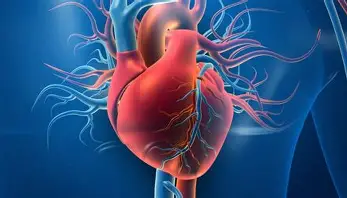
Heart Disease
🧾 Introduction
Heart disease, also known as cardiovascular disease (CVD), refers to a group of conditions that affect the heart and blood vessels. It is one of the leading causes of death worldwide and includes disorders such as coronary artery disease, heart attack, heart failure, and arrhythmias.
Heart disease often develops gradually due to lifestyle factors, genetic predisposition, and underlying medical conditions. Early detection and preventive measures can significantly reduce the risk.
🧬 What is Heart Disease?
Heart disease is a broad term used to describe various conditions that impair the structure and function of the heart. These conditions can affect:
- Heart muscles
- Blood vessels
- Electrical conduction system
The most common type is coronary artery disease (CAD), caused by narrowing of arteries due to plaque buildup.
⚙️ How the Heart Works
The heart is a muscular organ that pumps oxygen-rich blood throughout the body.
Basic Mechanism:
- Blood enters the heart
- Gets oxygenated in the lungs
- Heart pumps blood to the body
- Cells use oxygen for energy
Any disruption in this process can lead to heart disease.
⚠️ Types of Heart Disease
1. Coronary Artery Disease (CAD)
- Most common type
- Caused by plaque buildup in arteries
- Leads to reduced blood flow
2. Heart Attack (Myocardial Infarction)
- Occurs when blood flow to the heart is blocked
- Medical emergency
3. Heart Failure
- Heart cannot pump blood effectively
- Leads to fluid buildup
4. Arrhythmia
- Irregular heartbeat (too fast, slow, or uneven)
5. Valvular Heart Disease
- Damage or defect in heart valves
🔍 Causes of Heart Disease
- Atherosclerosis (plaque buildup)
- High blood pressure (Hypertension)
- High cholesterol
- Diabetes
- Smoking
- Obesity
- Sedentary lifestyle
- Genetic factors
🚨 Symptoms of Heart Disease
Common Symptoms:
- Chest pain (Angina)
- Shortness of breath
- Fatigue
- Dizziness
- Palpitations
Emergency Symptoms:
- Severe chest pain
- Pain radiating to arm/jaw
- Sweating
- Nausea
👉 Immediate medical attention is required.
🧪 Diagnosis of Heart Disease
Common Tests:
- ECG (Electrocardiogram)
- Echocardiography
- Stress test
- Angiography
- Blood tests (cholesterol, enzymes)
🥗 Management & Treatment
1. Lifestyle Changes
- Healthy diet
- Regular exercise
- Weight control
- Smoking cessation
2. Medications
- Blood pressure drugs
- Cholesterol-lowering drugs
- Blood thinners
3. Medical Procedures
- Angioplasty
- Stent placement
- Bypass surgery
🥗 Heart-Healthy Diet
A proper diet plays a crucial role in preventing and managing heart disease.
Recommended:
- Fruits and vegetables
- Whole grains
- Lean proteins
- Nuts and seeds
Avoid:
- Trans fats
- Excess salt
- Sugary foods
- Processed foods
⚡ Risk Factors
Modifiable:
- Diet
- Physical inactivity
- Smoking
- Alcohol
Non-Modifiable:
- Age
- Gender
- Family history
⚠️ Complications
- Heart attack
- Stroke
- Heart failure
- Kidney damage
🛡️ Prevention
- Maintain healthy weight
- Exercise regularly (30 min/day)
- Control blood pressure & sugar
- Regular health check-ups
- Stress management
📊 Quick Summary
| Factor | Key Insight |
|---|---|
| Main Cause | Atherosclerosis |
| Common Type | Coronary Artery Disease |
| Major Risk | Lifestyle + Genetics |
| Prevention | Diet + Exercise |
| Severity | Potentially life-threatening |
🧠 Conclusion
Heart disease is a serious but largely preventable condition. With proper awareness, early diagnosis, and lifestyle modifications, individuals can significantly reduce their risk and lead a healthy life.



One Comment