
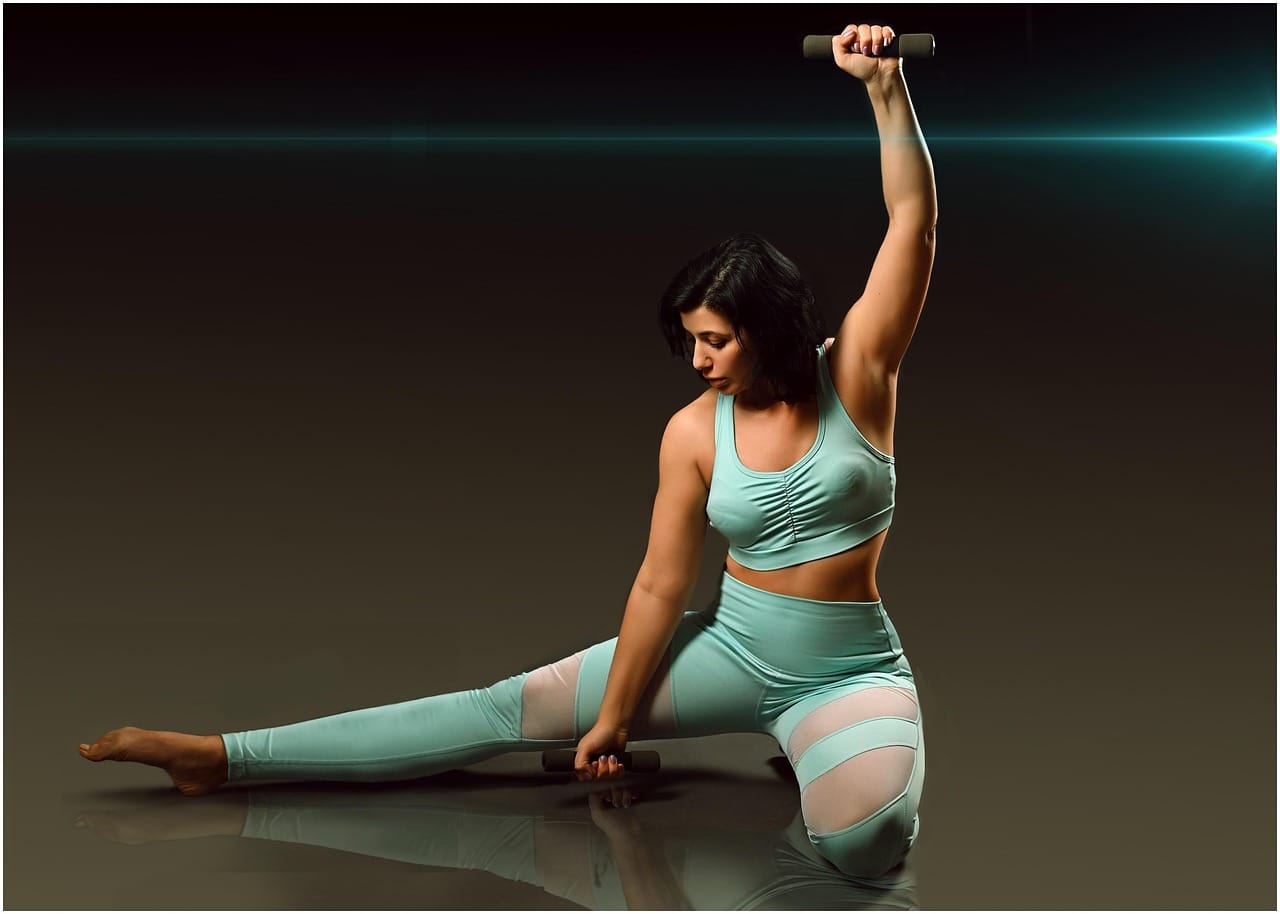
Exercise
Exercise is a structured, repetitive form of physical activity performed with the objective of improving or maintaining physical fitness, health, and overall well-being. It is a cornerstone of preventive healthcare, a driver of longevity, and a powerful tool for enhancing mental resilience and productivity.
In today’s sedentary world, exercise is no longer optional—it is essential.
What is Exercise?
Exercise is a subset of physical activity that is:
- Planned
- Structured
- Repetitive
- Goal-oriented
It differs from general movement (like walking casually or doing chores) because it is intentionally performed to improve specific aspects of fitness such as strength, endurance, flexibility, or coordination.
From a scientific standpoint, exercise triggers adaptive responses in the body, including improvements in cardiovascular efficiency, muscular strength, metabolic function, and neurological health.
Types of Exercise
Exercise can be broadly categorized into four primary types, each targeting different physiological systems:
Aerobic Exercise (Cardio)
Aerobic exercise increases heart rate and improves oxygen consumption.
Examples:
- Running
- Cycling
- Swimming
- Brisk walking
Key benefit: Enhances cardiovascular health and endurance.
Strength Training (Resistance Training)
Strength training involves working against resistance to build muscle mass and strength.
Examples:
- Weightlifting
- Bodyweight exercises like Push-ups
- Resistance bands
Key benefit: Builds muscle, improves metabolism, and strengthens bones.
Flexibility and Mobility Training
This focuses on improving the range of motion of muscles and joints.
Examples:
- Stretching
- Yoga
- Mobility drills
Key benefit: Reduces injury risk and improves posture.
Balance and Stability Training
Essential for coordination and preventing falls, especially with aging.
Examples:
- Tai Chi
- Single-leg exercises
Key benefit: Enhances neuromuscular control and stability.
The Science Behind Exercise
Exercise influences multiple biological systems:
Cardiovascular System
- Strengthens the heart muscle
- Improves blood circulation
- Reduces risk of heart disease
Musculoskeletal System
- Increases muscle mass and strength
- Improves bone density
- Prevents conditions like osteoporosis
Metabolic System
- Enhances insulin sensitivity
- Aids in weight management
- Supports fat loss
Nervous System
- Improves coordination and reflexes
- Boosts cognitive function
- Enhances neuroplasticity
Mental and Emotional Benefits
Exercise is one of the most powerful natural tools for mental health.
Stress Reduction
Physical activity reduces cortisol levels and promotes relaxation.
Mood Enhancement
Exercise stimulates the release of endorphins—often called “feel-good hormones.”
Cognitive Performance
Regular exercise improves:
- Memory
- Focus
- Decision-making
Anxiety and Depression Management
Exercise is often recommended alongside therapy for managing conditions like depression and anxiety disorder.
Key Benefits of Regular Exercise
Physical Health
- Reduces risk of chronic diseases
- Improves immunity
- Enhances energy levels
Longevity
Regular exercise is linked to increased lifespan and reduced mortality risk.
Productivity and Performance
Exercise improves:
- Work efficiency
- Discipline
- Mental clarity
How Much Exercise Do You Need?
According to global health guidelines:
- Adults:
- 150–300 minutes of moderate-intensity aerobic activity per week
OR - 75–150 minutes of vigorous activity
- 150–300 minutes of moderate-intensity aerobic activity per week
- Strength training: At least 2 times per week
Designing an Effective Exercise Routine
A balanced exercise plan should include:
Frequency
3–5 days per week for optimal results
Intensity
- Low (walking)
- Moderate (jogging)
- High (HIIT workouts)
Time
30–60 minutes per session
Type
Combine:
- Cardio
- Strength
- Flexibility
Common Mistakes to Avoid
- Skipping warm-ups and cool-downs
- Overtraining without recovery
- Poor technique
- Inconsistency
- Ignoring nutrition and hydration
Exercise and Lifestyle Integration
Exercise should not feel like a burden—it should be integrated into daily life:
- Take stairs instead of elevators
- Walk during phone calls
- Schedule workouts like meetings
- Use short workouts (15–20 minutes) if busy
Exercise for Different Goals
Weight Loss
- Combine cardio and strength training
- Maintain calorie deficit
Muscle Gain
- Focus on resistance training
- Ensure protein intake
General Fitness
- Balanced routine across all exercise types
The Role of Consistency
The most critical factor in exercise success is consistency over intensity.
A moderate routine followed regularly is far more effective than intense workouts done sporadically.
The Future of Exercise
Modern trends are reshaping how people exercise:
- Home workouts and digital fitness apps
- Wearable fitness trackers
- Personalized training programs
- Integration of AI in fitness coaching
Conclusion
Exercise is not merely a physical activity—it is a lifestyle investment. It enhances not just your body, but your mind, productivity, and quality of life.
In a world driven by convenience and sedentary habits, making exercise a daily ritual is one of the most powerful decisions you can take for long-term success and well-being.
Final Insight
Exercise is not about perfection. It is about progression.
Start small. Stay consistent. Transform completely.
More from Clickerrr.com
FAQs on Exercise
What is the best time of day to exercise?
There is no universally “best” time—only what works best for your schedule and consistency. Morning workouts can boost metabolism and discipline, while evening sessions may improve performance due to better muscle readiness. The key variable is adherence, not timing.
How long should a typical workout session last?
An effective workout can range from 20 to 60 minutes, depending on intensity and goals. For example:
– High-intensity workouts: 20–30 minutes
– Moderate workouts: 30–60 minutes
Consistency matters more than duration.Can I lose weight with exercise alone?
Exercise contributes significantly, but weight loss primarily depends on a calorie deficit. The most effective approach combines:
– Regular exercise
– Controlled nutrition
– Lifestyle adjustments
Exercise alone without dietary control has limited fat-loss efficiency.Is it necessary to go to the gym to stay fit?
No. You can achieve excellent fitness levels with home-based workouts such as:
– Push-ups
– Squats
– Yoga
The gym provides equipment and environment, but it is not a requirement.How often should I exercise in a week?
For optimal health:
– 3–5 days per week is ideal
– Include both cardio and strength training
Beginners can start with 2–3 days and gradually increase frequency.What should I eat before and after a workout?
Before workout:
Light meal with carbs + protein (e.g., banana + peanut butter)
After workout:
– Protein-rich meal for recovery
– Include carbs to replenish energy
– Hydration is critical in both phases.Is daily exercise safe?
Yes, if managed properly. However:
– Avoid training the same muscle group intensely every day
I – nclude rest or active recovery days
Overtraining can lead to fatigue, injury, and performance decline.How long does it take to see results from exercise?
Initial changes (energy, mood) can appear within 1–2 weeks.
Visible physical results typically take:
– 4–8 weeks for noticeable changes
– 3–6 months for significant transformation
Consistency and nutrition heavily influence outcomes.Does exercise help with mental health?
Yes, significantly. Exercise helps reduce symptoms of:
– Depression
– Anxiety disorder
It improves mood, reduces stress, and enhances cognitive function through hormonal and neurological mechanisms.What is more important: cardio or strength training?
Both serve different purposes:
– Cardio → Heart health, endurance, fat burning
– Strength training → Muscle growth, metabolism, bone health
A balanced combination of both is the most effective strategy for overall fitness.