
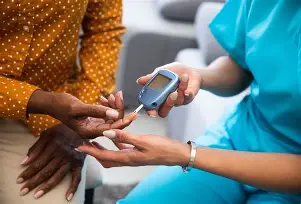
Diabetes
1. Definition
Diabetes is a chronic metabolic condition in which the body is unable to properly regulate blood sugar (glucose) levels. This happens either due to insufficient insulin production or the body’s inability to effectively use insulin.
🧪 What is Insulin?
Insulin is a hormone produced by the pancreas that helps regulate blood sugar levels by allowing glucose to enter the body’s cells for energy.
- Function: Controls blood glucose levels
- Produced by: Pancreas
- Deficiency: Leads to diabetes
In diabetes, the body either does not produce enough insulin or cannot use it effectively, leading to high blood sugar levels.
2. Types of Diabetes
| Type | Description |
|---|---|
| Type 1 Diabetes | Autoimmune condition where the body does not produce insulin |
| Type 2 Diabetes | Body becomes resistant to insulin or doesn’t produce enough |
| Gestational Diabetes | Occurs during pregnancy |
| Prediabetes | Blood sugar levels are high but not yet diabetic |
🧬 Type 1 Diabetes
Type 1 diabetes is a chronic autoimmune condition in which the body’s immune system attacks insulin-producing cells in the pancreas, leading to little or no insulin production.
- Cause: Autoimmune destruction of beta cells
- Onset: Usually in children or young adults
- Insulin: Lifelong insulin therapy required
- Nature: Not preventable
Without insulin, glucose cannot enter the cells, causing blood sugar levels to rise. Early diagnosis and proper management are essential to avoid complications.
3. Causes
Common Causes:
- Insulin resistance
- Genetic factors
- Poor dietary habits
- Obesity
- Sedentary lifestyle
Type-Specific Causes:
- Type 1 → Autoimmune destruction of insulin-producing cells
- Type 2 → Lifestyle + genetic combination
4. Symptoms
| Symptom | Description |
|---|---|
| Frequent urination | Increased need to urinate, especially at night |
| Excessive thirst | Feeling thirsty even after drinking water |
| Fatigue | Constant tiredness |
| Blurred vision | Difficulty in focusing clearly |
| Unexplained weight loss | Common in Type 1 diabetes |
⚠️ Type 2 Diabetes
Type 2 diabetes is a chronic condition in which the body becomes resistant to insulin or does not produce enough insulin, leading to high blood sugar levels.
- Cause: Insulin resistance + lifestyle factors
- Onset: Usually in adults (increasing in younger people)
- Risk Factors: Obesity, poor diet, inactivity
- Management: Diet, exercise, medications
It develops gradually and is often preventable or manageable through healthy lifestyle changes and regular monitoring.
5. Risk Factors
- Family history of diabetes
- Overweight or obesity
- Lack of physical activity
- Age (especially above 40 for Type 2)
- High blood pressure
- Poor diet
6. Diagnosis
Common Tests:
| Test | Purpose |
|---|---|
| Fasting Blood Sugar (FBS) | Measures sugar after fasting |
| HbA1c | Average blood sugar over 2–3 months |
| Oral Glucose Tolerance Test (OGTT) | Checks body’s response to sugar |
7. Treatment
Lifestyle Management:
- Balanced diet
- Regular exercise
- Weight management
Medications:
- Oral anti-diabetic drugs
- Insulin injections (if required)
Monitoring:
- Regular blood sugar checks
- Routine medical follow-up
8. Diet Guidelines
Recommended Foods:
- Whole grains
- Green vegetables
- Fruits (in moderation)
- High-fiber foods
Foods to Avoid:
- Sugary drinks
- Processed foods
- Refined carbohydrates
- Excessive oily foods
9. Prevention
- Maintain healthy body weight
- Exercise regularly (30–45 minutes daily)
- Eat a balanced diet
- Avoid excessive sugar intake
- Regular health check-ups
10. Complications (If Uncontrolled)
- Heart disease
- Kidney damage
- Nerve damage (neuropathy)
- Eye problems (retinopathy)
- Foot complications
11. FAQs on Diabetes
What is diabetes in simple terms?
Diabetes is a condition where the body cannot properly control blood sugar (glucose) levels. This happens either because the body does not produce enough insulin or cannot use it effectively.
What are the early symptoms of diabetes?
Common early symptoms include:
✔ Frequent urination
✔ Excessive thirst
✔ Increased hunger
✔ Fatigue
✔ Blurred vision
👉 These symptoms may develop slowly, especially in Type 2 diabetes.What is the normal blood sugar level?
Test Type
Normal Range
Fasting Blood Sugar
70–99 mg/dL
Post-meal (2 hours)
Below 140 mg/dL
HbA1c
Below 5.7%Can diabetes be cured permanently?
Type 1 diabetes → Cannot be cured, requires lifelong insulin
Type 2 diabetes → Cannot be “cured,” but can be reversed or controlled with proper diet, exercise, and lifestyle changesWhat causes diabetes?
Main causes include:
✔ Genetics (family history)
✔ Obesity
✔ Poor diet
✔ Lack of physical activity
✔ Insulin resistanceWhich foods should diabetics avoid?
Avoid or limit:
✔ Sugary foods and drinks
✔ Refined carbohydrates (white bread, sweets)
✔ Processed foods
✔ Fried and oily foods
👉 These foods cause rapid spikes in blood sugar.Which foods are good for diabetes?
Recommended foods:
✔ Whole grains
✔ Green leafy vegetables
✔ Fruits (in moderation)
✔ Nuts and seeds
✔ High-fiber foodsIs walking good for diabetes?
Yes, walking is one of the best exercises for diabetes:
✔ Helps lower blood sugar levels
✔ Improves insulin sensitivity
✔ Aids in weight control
👉 30–45 minutes of daily walking is highly beneficial.What happens if diabetes is not controlled?
Uncontrolled diabetes can lead to serious complications:
✔ Heart disease
✔ Kidney damage
✔ Nerve damage
✔ Vision loss
✔ Foot problemsCan stress increase blood sugar levels?
Yes, stress can increase blood sugar levels because:
✔ It triggers hormone release (like cortisol)
✔These hormones raise blood glucose
👉 Managing stress is important for diabetes control.
12. Related Topics
- Obesity
- Insulin Resistance
- Blood Sugar
- Hypertension
- Metabolic Syndrome