Introduction
Finding a profitable business niche is one of the most important decisions you can make when starting a new business. Whether you want to launch an online business, build a service-based company, sell physical products, or develop a specialized digital platform, choosing the right niche can help you attract the right customers, differentiate your brand, and create a sustainable source of revenue.
More Step-by-Step Guides from Clickerrr Guides: How to Start an Online Business with No Experience: 10 Steps Guide
Many aspiring entrepreneurs make the mistake of choosing a business idea simply because it is popular, exciting, or appears profitable for someone else. However, a successful business requires more than an interesting idea. You need to identify a specific group of customers with a genuine problem, understand what they are willing to pay for, evaluate the competition, and determine whether you can deliver a valuable solution at a sustainable profit.
More Step-by-Step Guides from Clickerrr Guides: How to Start a Small Business: 10 Steps Guide
A well-chosen business niche allows you to focus your resources instead of trying to serve everyone. For example, rather than selling products to all consumers, you might specialize in affordable fitness accessories for beginners, digital tools for small businesses, or personalized services for a particular professional group. This focused approach can make your marketing more relevant, help you understand customer needs, and create opportunities to build a recognizable brand.
More Step-by-Step Guides from Clickerrr Guides: How to Use AI to Grow a Small Business: 10 Practical Steps Guide
The good news is that you do not need a large investment or years of business experience to begin researching a niche. You can start by examining your interests, studying customer problems, analyzing market demand, researching competitors, and testing potential offers before committing significant money.
More Step-by-Step Guides from Clickerrr Guides: How to Get Your First 100 Customers: 10 Practical Steps Guide
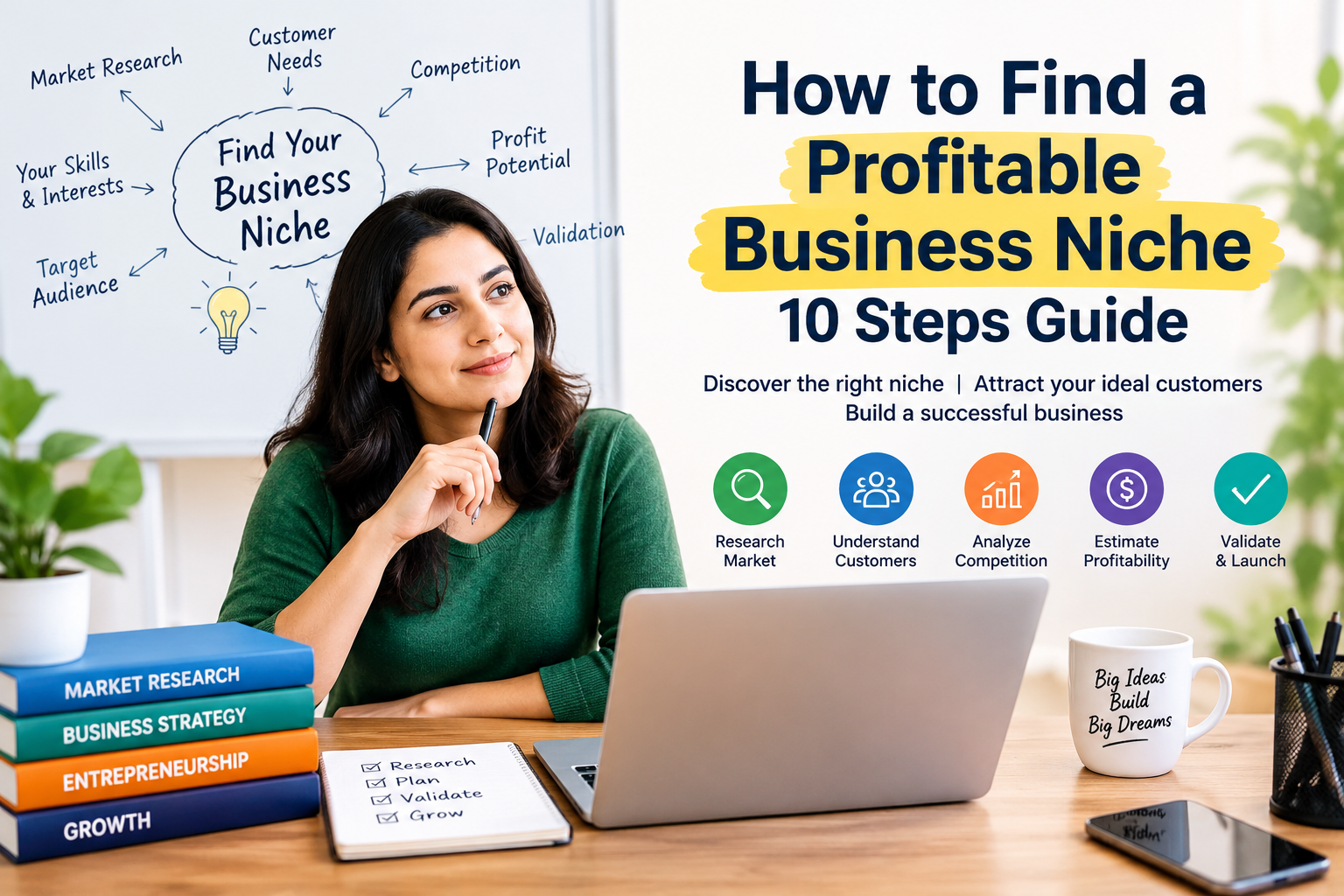
In this guide, you will learn how to find a profitable business niche through 10 practical steps. Each step will help you evaluate business opportunities systematically, validate your assumptions, and choose a niche with realistic potential for long-term growth.
How to Find a Profitable Business Niche: 10 Steps Guide
Step
1
Identify Your Interests, Skills, and Business Strengths

The first step in finding a profitable business niche is understanding what you can bring to the market. Your interests, professional experience, practical skills, industry knowledge, and personal strengths can help you identify business opportunities that are easier for you to understand and develop. Although passion alone does not guarantee profitability, having relevant knowledge or a genuine interest in a field can make researching customers, improving products, and staying committed to your business easier.
Begin by listing the subjects you understand, the activities you enjoy, and the problems you can help solve. Consider your professional background, hobbies, technical abilities, existing contacts, and experiences with products or services. For example, someone with experience in education might explore learning resources, while a person familiar with small businesses might investigate business software, marketing services, or productivity tools.
However, avoid choosing a niche only because it matches your interests. Your strengths should help you identify opportunities, but market demand and commercial viability must determine whether an idea deserves further investment. The goal is to find an area where your capabilities can create genuine value for customers.
- List your professional skills, qualifications, and areas of practical experience.
- Identify hobbies and subjects you enjoy learning about.
- Consider problems you have personally solved or understand well.
- Identify skills that could help you create a product, service, or digital solution.
- Consider whether you prefer selling physical products, providing services, or building digital products.
- Assess how much time you can realistically devote to researching and operating a business.
- Identify the resources, equipment, technology, or expertise you already have access to.
- Write down at least 10 possible business niche ideas based on your strengths and interests.
- Keep your initial list broad enough to explore different opportunities without committing to one idea prematurely.
Step
2
Identify a Specific Target Audience
Once you have a list of possible business ideas, the next step is identifying the exact group of customers you want to serve. A business niche is more specific than a broad industry. For example, the fitness industry includes many potential markets, but a niche might focus on home workout equipment for beginners or exercise programs for older adults. Defining a specific audience helps you understand customers’ needs and develop products or services that are more relevant to them.
A useful target audience can be defined by several factors, including age range, profession, location, budget, lifestyle, purchasing behavior, or a particular problem. For business-to-business opportunities, you might focus on a certain type of company, such as independent retailers, small clinics, local manufacturers, or professional service providers.
Avoid narrowing your niche so much that there are too few potential customers. The objective is to identify a group that is specific enough to serve effectively but large enough to support a viable business. You can refine your audience as you gather evidence from customer interviews, market research, and early sales.
- Choose one broad industry from your initial list of business ideas.
- Identify the types of people or businesses most likely to need your solution.
- Define relevant customer characteristics, such as location, profession, budget, or interests.
- Identify the main problems your target customers experience.
- Consider when and why these customers decide to purchase a product or service.
- Examine whether your potential customers have the ability and willingness to pay.
- Identify where these customers search for information and compare alternatives.
- Create a simple ideal customer profile describing your most promising customer group.
- Estimate whether the audience is large enough to support your business goals.
- Refine your niche definition until you can clearly explain whom you serve and what you help them achieve.
Step
3
Make Regular Physical Activity Part of Your Routine

Regular physical activity is essential for a healthy lifestyle because it supports cardiovascular health, muscle strength, bone health, mobility, and emotional well-being. You do not need to join a gym or perform intense workouts to begin benefiting from movement. Walking, cycling, swimming, dancing, household activities, and suitable home exercises can all contribute to a more active routine. The most useful activity is one that matches your abilities and that you can perform consistently.
For most adults, public health guidance recommends working toward at least 150 minutes of moderate-intensity aerobic activity each week, along with muscle-strengthening activities on two or more days. Beginners can start with shorter periods and gradually increase the duration and intensity. If you have a chronic health condition, significant mobility limitations, or symptoms during exercise, consult a healthcare professional about an appropriate activity plan.
- Begin with a comfortable daily walk or another activity suited to your fitness level.
- Gradually work toward the recommended weekly amount of moderate-intensity physical activity.
- Include muscle-strengthening exercises on at least two days each week, as appropriate.
- Choose enjoyable activities such as cycling, dancing, swimming, or outdoor walking.
- Break up long periods of sitting with brief movement breaks.
- Use stairs or walk short distances when it is practical and safe.
- Increase exercise duration and intensity gradually instead of pushing yourself too hard.
- Include gentle mobility or flexibility exercises as part of your routine.
- Wear appropriate footwear and use safe exercise techniques.
- Track your activity and allow time for recovery, especially when starting a new routine.
Step
4
Get Enough Quality Sleep Every Night
Quality sleep is an important part of a healthy lifestyle because it supports memory, concentration, mood, immune function, and physical recovery. Inadequate or irregular sleep can affect daytime energy, appetite regulation, work performance, and overall well-being. Although individual sleep needs vary, most adults generally need at least seven hours of sleep per night, with many benefiting from seven to nine hours.
Improving sleep often begins with making your routine more consistent. Going to bed and waking up at approximately the same times, creating a comfortable sleeping environment, and reducing stimulating activities close to bedtime can help support better rest. Avoid treating sleep as optional time that can always be sacrificed for work or entertainment. If you regularly struggle to sleep, snore heavily, wake up gasping, or feel excessively sleepy during the day despite adequate time in bed, seek medical advice.
- Aim for a sleep duration appropriate for your age, generally seven to nine hours for adults.
- Maintain a reasonably consistent bedtime and waking time throughout the week.
- Establish a relaxing bedtime routine, such as reading or taking a warm bath.
- Reduce stimulating screen use before bedtime if it interferes with your sleep.
- Avoid caffeine close to bedtime, especially if you are sensitive to its effects.
- Avoid heavy meals immediately before sleeping when they cause discomfort.
- Exercise regularly, while choosing workout times that suit your sleep pattern.
- Limit alcohol because it can disrupt sleep quality even when it initially causes drowsiness.
- Consult a healthcare professional if persistent sleep difficulties affect your daily functioning..
Step
5
Drink Enough Water and Maintain Healthy Hydration
Adequate hydration supports temperature regulation, digestion, circulation, and the normal functioning of the body’s organs. Your water needs depend on several factors, including body size, physical activity, climate, diet, and health status. In hot weather or during exercise, you may need more fluids to replace additional losses through sweating. Drinking too little can contribute to dehydration, which may cause symptoms such as thirst, headache, dizziness, and reduced concentration.
Developing a healthy hydration routine is often easier when drinking water becomes part of your regular daily activities. Keep water accessible, drink with meals, and pay attention to thirst. Water is a useful everyday choice, although other beverages and the water contained in foods also contribute to total fluid intake. People with certain heart, kidney, or other medical conditions may need individualized fluid guidance, so they should follow advice from their healthcare professional rather than forcing themselves to drink a fixed amount.
- Keep drinking water accessible at home, at work, and when travelling.
- Drink regularly throughout the day rather than waiting until you feel extremely thirsty.
- Have water with meals and snacks as part of your normal routine.
- Increase fluid intake when heat or physical activity causes additional sweating.
- Include water-rich foods such as cucumbers, oranges, melons, and other fruits and vegetables.
- Choose water instead of sugary beverages more often.
- Carry a reusable water bottle when it makes drinking water more convenient.
- Pay attention to thirst and other signs that you may need more fluids.
- Pay attention to thirst and other signs that you may need more fluids.
- Replace fluids after exercise according to the duration and intensity of your activity.
- Follow individualized fluid restrictions or recommendations if you have a medical condition.
Step
6
Manage Stress and Protect Your Mental Well-Being
Mental well-being is an essential component of a healthy lifestyle. Ongoing stress can affect sleep, appetite, concentration, relationships, and the ability to maintain healthy habits. While some stress is a normal part of life, learning how to respond to it constructively can improve everyday functioning and help you feel more balanced. Stress management does not require eliminating every problem; it involves developing practical ways to cope with challenges and recover from demanding situations.
Begin by identifying the sources of stress in your daily life and recognizing the signs that you need a break. Simple strategies such as slow breathing, regular physical activity, time outdoors, enjoyable hobbies, and conversations with supportive people may help. Setting boundaries around work and making time for rest are also important. If stress becomes overwhelming, persists for a long time, or significantly affects your mood or ability to function, professional mental health support can be valuable.
- Identify common sources of stress and the situations that trigger them.
- Practise slow, comfortable breathing or a brief relaxation exercise.
- Set aside time for hobbies and activities that you genuinely enjoy.
- Take short breaks during demanding work or study sessions.
- Maintain regular physical activity to support mental and physical health.
- Spend time outdoors when practical and safe.
- Stay connected with supportive friends, family members, or community groups.
- Pay attention to thirst and other signs that you may need more fluids.Set reasonable boundaries around work, personal responsibilities, and screen time.
- Break overwhelming tasks into smaller, manageable actions.
- Seek support from a qualified mental health professional if stress becomes difficult to manage.
Step
7
Maintain Personal Hygiene and a Healthy Environment

Personal hygiene and a clean environment help support everyday health and reduce exposure to some infectious agents. Regular handwashing, oral care, safe food handling, and appropriate household cleanliness are practical habits that can help prevent illness. These measures are especially important when preparing food, using shared spaces, caring for someone who is unwell, or spending time in crowded environments.
Good hygiene does not require excessive cleaning or complicated routines. Instead, focus on a few evidence-informed practices that are easy to maintain. Brush your teeth with fluoride toothpaste, clean your hands at appropriate times, store food safely, and keep frequently touched household surfaces reasonably clean. Maintaining oral health is particularly important because dental problems can cause pain, affect eating, and require professional treatment. Routine dental and medical care should complement, rather than be replaced by, daily hygiene habits.
- Wash your hands with soap and water at appropriate times, especially before eating and preparing food.
- Brush your teeth twice daily with fluoride toothpaste.
- Clean between your teeth regularly using floss or another suitable interdental cleaner.
- Arrange routine dental checkups according to your individual needs.
- Bathe regularly and maintain clean clothing and personal items.
- Handle, cook, and store food safely to reduce the risk of foodborne illness.
- Keep frequently touched household surfaces reasonably clean.
- Maintain good ventilation in indoor spaces when possible.
- Pay attention to thirst and other signs that you may need more fluids.
- Avoid sharing personal items such as toothbrushes and razors.
- Follow recommended infection-prevention practices and seek care for persistent hygiene-related health problems.
Step
8
Avoid Tobacco and Limit Alcohol Consumption
Avoiding tobacco and other harmful nicotine products is one of the most important steps toward a healthier life. Tobacco use increases the risk of serious diseases, including several cancers, cardiovascular disease, and chronic lung disease. Exposure to second-hand smoke can also harm other people. If you use tobacco, quitting can improve your health, and support from healthcare professionals, counselling, or appropriate cessation treatments can increase your chances of success.
Alcohol can also affect physical and mental health, sleep, coordination, and decision-making. Reducing consumption can lower some health risks, and avoiding alcohol eliminates alcohol-related exposure. People who are pregnant, taking interacting medicines, have certain medical conditions, or have difficulty controlling alcohol use should seek appropriate medical guidance and may need to avoid alcohol entirely. A healthy lifestyle is not about judging people for their habits; it is about understanding risks and choosing practical steps that protect long-term well-being.
- Avoid starting smoking or using tobacco products.
- If you smoke, make a realistic quit plan and seek professional cessation support.
- Identify situations that trigger tobacco use and develop alternative coping strategies.
- Avoid exposure to second-hand smoke whenever possible.
- Learn about the health risks associated with alcohol consumption.
- Reduce alcohol intake or avoid it, depending on your circumstances and health needs.
- Choose non-alcoholic drinks during social occasions if you prefer to avoid alcohol.
- Discuss potential interactions between alcohol and medicines with a healthcare professional.
- Seek professional help if you find it difficult to stop or control substance use.
- Encourage healthy choices among family members without shaming or pressuring them.
Step
9
Build Healthy Relationships and Maintain Social Connections
Healthy relationships are an often-overlooked part of a healthy lifestyle. Positive social connections can provide emotional support, reduce feelings of isolation, and help people cope with life’s challenges. Spending meaningful time with family, friends, colleagues, or community members can contribute to a sense of belonging and emotional well-being. Social health is not measured by how many people you know; the quality, safety, and mutual respect within your relationships matter more.
Building stronger connections does not require a busy social calendar. Small actions, such as calling a friend, sharing a meal with family, participating in a community activity, or offering help to someone who needs it, can make a difference. It is also important to maintain healthy boundaries and recognize relationships that consistently undermine your well-being. If loneliness or isolation is affecting your mental health, consider seeking support and exploring safe opportunities to connect with others.
- Set aside regular time to connect meaningfully with family or friends.
- Listen attentively when others share their thoughts and concerns.
- Communicate your own needs and feelings clearly and respectfully.
- Participate in hobbies, clubs, or community activities that interest you.
- Offer practical support to others when you can do so comfortably.
- Maintain healthy boundaries around your time, privacy, and personal needs.
- Make time for face-to-face conversations when practical.
- Reduce unnecessary phone distractions during important social interactions.
- Seek supportive relationships in which respect and trust are mutual.
- Reach out to a trusted person or qualified professional if loneliness is affecting your well-being.
Step
10
Schedule Preventive Health Checkups and Review Your Progress

The final step in building a healthy lifestyle is to monitor your health and seek preventive care when appropriate. Healthy habits can support long-term well-being, but they do not eliminate every health risk. Routine medical visits provide opportunities to discuss personal risk factors, review medicines, assess relevant health measurements, and identify preventive services suited to your age and circumstances. Depending on your individual needs, these may include blood pressure assessment, diabetes screening, cholesterol testing, vaccinations, dental care, and age-appropriate cancer screening.
Preventive care should be personalized rather than based on a universal list of tests. The right schedule depends on factors such as age, family history, previous results, symptoms, and existing health conditions. Keep a record of relevant medical information and follow up on recommendations from qualified healthcare professionals. At the same time, review your daily habits periodically to identify what is working well and what needs adjustment. A healthy lifestyle is an ongoing process that can evolve as your circumstances change.
- Arrange regular medical appointments based on your age, health history, and individual risk factors.
- Monitor blood pressure when recommended by your healthcare professional.
- Discuss appropriate screening for diabetes, cholesterol, and other conditions based on your risk profile.
- Keep vaccinations up to date according to current medical recommendations.
- Follow age-appropriate screening recommendations from qualified healthcare professionals.
- Maintain regular dental checkups and address oral health concerns promptly.
- Keep a record of medicines, allergies, relevant test results, and important medical history.
- Discuss persistent or unexplained symptoms with a qualified healthcare professional.
- Review your eating, exercise, sleep, and stress-management habits periodically.
- Adjust your healthy lifestyle goals as your health, abilities, and daily responsibilities change.
Conclusion
Building a healthy lifestyle does not require a complete transformation overnight. It begins with realistic goals and develops through everyday choices that support physical health, mental well-being, and long-term wellness. Eating a balanced diet, staying physically active, sleeping well, drinking enough water, managing stress, maintaining personal hygiene, avoiding tobacco, nurturing relationships, and attending appropriate health checkups can all contribute to a healthier routine.
The most effective approach is to focus on consistency rather than perfection. Start with two or three changes that fit your current lifestyle, practise them regularly, and gradually introduce additional habits as they become easier. If you miss a workout, have an unbalanced meal, or experience a difficult week, return to your routine without treating it as a failure.
Remember that a healthy lifestyle is personal. Your needs may differ depending on your age, medical history, physical abilities, cultural preferences, and daily responsibilities. Make informed choices, seek professional advice when necessary, and aim to build habits that are safe, enjoyable, and sustainable. Small improvements repeated over time can help you create a stronger foundation for lifelong health and well-being.
Frequently Asked Questions (FAQs)
What is a healthy lifestyle?
A healthy lifestyle is a pattern of daily habits that supports physical, mental, and social well-being. It generally includes nutritious eating, regular physical activity, adequate sleep, stress management, personal hygiene, avoiding tobacco, and receiving appropriate preventive healthcare.
What are the most important habits for a healthy lifestyle?
Some of the most important habits are eating a balanced diet, exercising regularly, getting sufficient sleep, maintaining healthy relationships, managing stress, and avoiding tobacco. The best starting point depends on your current habits and individual health needs.
How can I start a healthy lifestyle as a beginner?
Start by choosing two or three manageable changes, such as walking regularly, adding vegetables to your meals, or following a consistent sleep schedule. Build on these habits gradually rather than attempting to change everything at once.
How long does it take to develop a healthy lifestyle?
There is no fixed timeline. Some habits may become easier within a few weeks, while others take longer to establish. Progress depends on the habit, your circumstances, and how consistently you practise it. Focus on sustainable improvement rather than a deadline.
Can I build a healthy lifestyle without going to the gym?
Yes. Walking, cycling, dancing, home workouts, suitable strength exercises, and other forms of physical activity can help you stay active without joining a gym. Choose safe activities that fit your abilities and gradually work toward recommended activity levels.
What should I eat for a healthy lifestyle?
Aim for a varied diet containing vegetables, fruits, whole grains, protein-rich foods, and appropriate sources of healthy fats. Limit excessive added sugar, salt, and highly processed foods. Your specific dietary needs may vary depending on your health and nutritional requirements.
How much sleep do adults need for a healthy lifestyle?
Most adults generally need at least seven hours of sleep per night, and many benefit from seven to nine hours. Sleep quality, consistency, and individual needs also matter.
How can I stay motivated to maintain healthy habits?
Choose realistic goals, track progress, make healthy choices convenient, and select activities you enjoy. Build routines around your existing schedule and treat occasional setbacks as opportunities to adjust your plan rather than reasons to give up.
Is a healthy lifestyle the same for everyone?
No. Although many healthy habits apply broadly, individual needs vary according to age, medical conditions, mobility, culture, preferences, and personal circumstances. Adapt general recommendations to your needs and seek professional advice when necessary.
Can a healthy lifestyle prevent all diseases?
No. Healthy habits can reduce the risk of some diseases and support overall well-being, but they cannot prevent every illness. Genetics, environmental exposures, ageing, and other factors also influence health. Preventive care and appropriate medical treatment remain important.